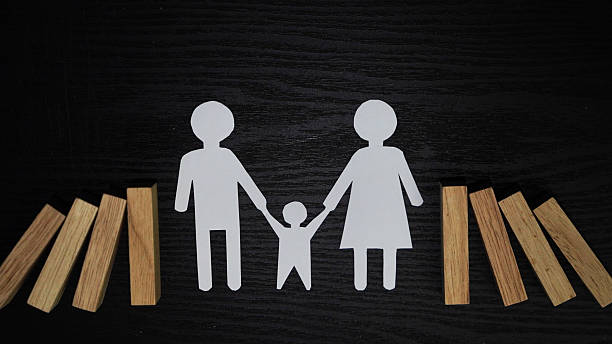
Have you ever watched a teenager walk into a room, sit on the couch, and give one word answers to everything you ask? How was school? Fine. How did the test go? Okay. Anything you want to talk about? Nope. It can feel like a wall went up overnight. If you are thinking about becoming a marriage and family therapist, or if you already work with kids and teens, you will run into this exact situation a lot. And the most important thing to know is this: it is not personal. It is not because they hate you. It is because their brain is going through some huge changes, and talking about feelings suddenly feels risky.
Teens stop talking to parents for plenty of reasons. Sometimes they are scared of getting in trouble. Sometimes they do not know how to put big feelings into words. Sometimes they think adults will not understand or will just tell them what to do instead of listening. And sometimes, they just want some space to figure things out on their own. But when a teenager shuts down, it can make parents feel worried, frustrated, or even rejected. As a therapist, your job is not to take sides. Your job is to help both the teen and the parent understand what is really going on under the surface.
Let me tell you a little story. I worked with a family once where the mom kept saying her daughter never talked to her anymore. The daughter was sixteen. She sat in my office with her arms crossed and her eyes on the floor. I asked the mom to step out for a few minutes. Then I just sat quietly with the daughter. After a while, she said, She always wants me to talk, but when I do, she either cries or gives me a lecture. I do not want to make her cry, and I do not want a lecture. So it is easier to say nothing. That one conversation changed everything. The mom had no idea that her own reactions were pushing her daughter away. She thought she was being a good parent by caring so much. But the daughter saw it differently.
If you work with teens, you will see this pattern a lot. The parent wants to help. The teen wants to be heard. But the help comes across as pressure, and the silence comes across as disrespect. A good marriage and family therapist teaches everyone new ways to talk. For example, instead of asking How was your day? which is easy to answer with Fine, you might teach a parent to ask What was one good thing and one annoying thing that happened today? That question shows you care, but it does not demand a long answer. It also lets the teen choose how much to share.
Another big reason teens shut down is that they feel judged. When a teen says something like I hate math class, a parent might jump in with But math is important for college. That shuts the conversation down because the teen feels corrected. Instead, a therapist can help the parent just say Tell me more about that. That simple phrase says I hear you and I want to understand. No fixing, no judging, just listening.
Working with children and teens in marriage and family therapy also means understanding that a teenager’s brain is wired to care a lot about friends and reputation. Sometimes what looks like a problem at home is really a problem at school. A teen who is being left out by friends might come home and snap at a parent. The parent thinks it is about the dishes, but it is really about hurt feelings. A good therapist asks the right questions to find the real story.
And here is one more thing that is really important. You cannot force a teen to open up. You can only create a space where it feels safe to talk. That means no interrupting, no judging, no jumping in with advice right away. It means sitting with silence sometimes. It means letting them know you are there even if they do not say much. When a teen feels that safety, they will start to share more over time. It might not happen in the first session. It might not happen in the fifth. But when it does, it is powerful.
So if you want to help families with teenagers, remember this. The goal is not to get the teen to talk all the time. The goal is to build a bridge between the parent and the teen so they can find each other again. You are the guide. You do not need to have all the answers. You just need to listen well, ask good questions, and remind everyone that silence is not always rejection. Sometimes it is just the beginning of something deeper.