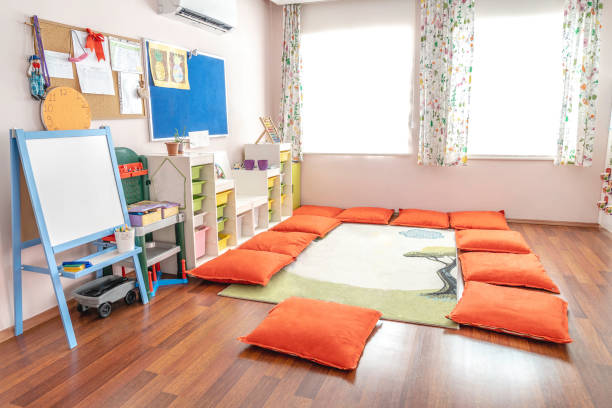
A play therapist is usually someone with a master’s degree in counseling, social work, or psychology who then gets extra, special training in play therapy. This training teaches them how to understand the meaning behind play and how to use it to help kids heal. They need to be patient, creative, warm, and really love working with children.
How long does the training take after college?
After a 4-year bachelor’s degree, a master’s program usually takes 2-3 years. Then, you need about 2 years of supervised clinical work to get licensed. The extra trauma training can happen during your master’s, during supervision, or after. All together, you’re looking at about 6-8 years of school and training after high school. It’s a journey!
What is the hardest part of getting this degree?
Many students say the hardest part is the practicum or internship. This is where you start seeing real clients under supervision. It can feel scary at first to actually use what you’ve learned! Balancing schoolwork with this hands-on training takes good time management. But don’t worry—everyone feels nervous, and you’ll have lots of support from teachers and supervisors.
Can I just work with couples, or do I have to see families?
You can specialize! Many therapists choose to work mostly with couples. Others might focus on families with teenagers, or on helping people through divorce. Your license allows you to work with individuals, couples, and families. You get to decide what kind of clients you feel most passionate about helping. Many therapists build a practice that fits their specific interests and skills.