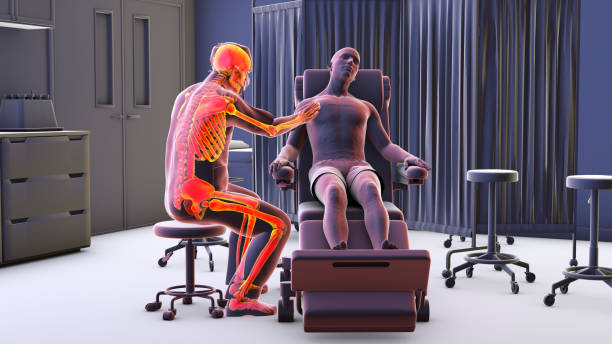
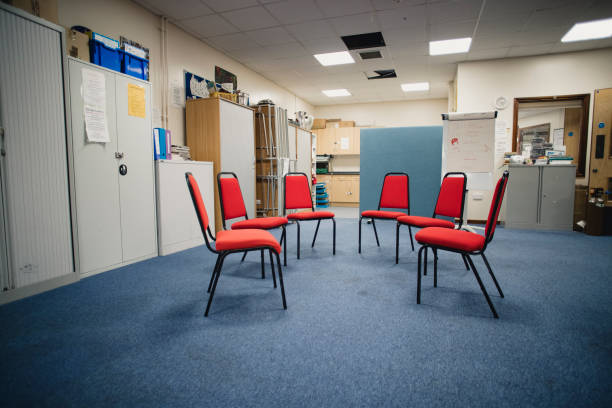
Supervision is like having a trusted guide when you start seeing clients. It’s regular meetings with an experienced therapist who helps you think through your cases. They give you advice, make sure you’re helping clients safely, and support you when cases feel tough. It’s not about being graded, but about learning and growing. Think of it as your safety net and your best learning tool all in one.
What kind of skills will I learn?
You’ll learn amazing people skills like communication, empathy, and how to understand different viewpoints. You’ll also build thinking skills like critical thinking, problem-solving, and how to do research. These “soft skills” are exactly what employers in many fields are looking for. They make you a great teammate and leader.
Is this a stressful job?
It can be challenging, but also very rewarding. You are helping people through tough times, which requires a lot of heart and energy. You’ll hear difficult stories. That’s why learning self-care is a big part of your training. The joy comes from seeing people make positive changes and regain control of their lives. Many counselors find the work deeply meaningful, which balances out the hard parts.
Is this a hard degree?
It can be challenging, but it’s very doable if you’re interested in people and behavior. There will be reading, writing papers, and learning some basic science and statistics. The key is to stay curious. If you love understanding why people do what they do, you’ll find the work engaging and meaningful.