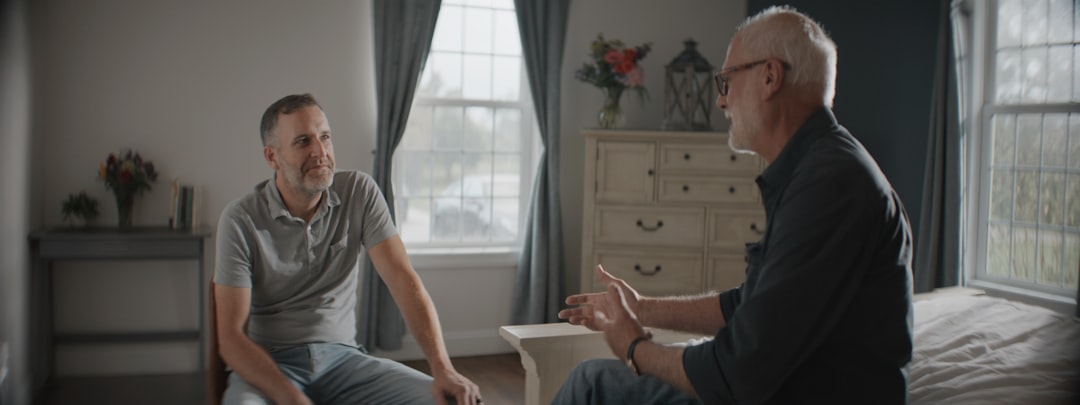
Imagine you are sitting with an older person in a quiet room. Maybe they are seventy-five, eighty, or even older. They have lived a long life full of ups and downs. They might feel a little nervous about talking to someone new about their feelings. That is normal. When you work with older adults as a counselor, the most important thing you can do is build trust. Without trust, nothing else really works. So let me tell you how to do that in a simple, human way.
First, you have to be a good listener. And I mean really listen. Not just nod your head while thinking about what you will say next. Older adults can tell when you are not paying attention. They have been around long enough to spot fake interest from a mile away. So when they speak, stop everything else. Put your phone away. Look them in the eye. Let them finish their story, even if it takes a while. Sometimes they might repeat themselves or go off on a tangent. That is okay. Let them. The point is that they feel heard. When people feel heard, they start to trust you.
Second, be patient. This is huge. Older adults might move slowly, talk slowly, or need extra time to think about a question. Do not hurry them. Do not finish their sentences for them. That can feel disrespectful. Instead, sit back and give them space. If they forget a word, wait a few seconds. They might find it. If not, you can gently offer a guess. But let them lead. Patience tells them, “I am not in a rush. You matter.“ That builds trust better than any fancy technique ever could.
Another big part of trust is respect. Older adults have lived through decades of changes. They have seen things you have not. They have lost people, loved people, worked hard, and made tough choices. So treat them like experts on their own lives. Because they are. Do not talk down to them or act like you know better just because you have a degree. Ask questions that show you value their wisdom. For example, “What helped you get through hard times before?“ That kind of question says, “I see you as a person who knows something.“ And that feels good to them.
Also, be honest. Older adults have a strong built-in radar for lies or fake cheerfulness. If you pretend everything is fine when it is not, they will see right through you. So be real. If you are not sure how to help, say that. If you need to look something up, tell them. They would rather respect a truthful counselor than a perfect one. Honesty is like solid ground. When you stand on it, they feel safe to stand with you.
Another thing that helps is to show genuine care. Small gestures matter. Remember something they told you last time, like the name of their grandchild or their favorite hobby. Ask about it next visit. That shows you were listening and you care. Also, a warm smile, a gentle voice, and a calm presence go a long way. Older adults often deal with loneliness or fear of being a burden. Your kindness can be a light in their day.
You also need to understand that they might not trust right away. Some older adults have had bad experiences with doctors or other helpers in the past. They might be cautious. That is not personal. It is just their way of protecting themselves. So do not get frustrated if it takes multiple sessions before they open up. Keep showing up. Keep being patient and kind. Trust grows slowly, like a plant. You cannot rush it.
Finally, remember that you are the student as much as the helper. Every older adult you work with can teach you something about life, about strength, and about what really matters. If you approach them with humility and a real desire to understand, trust will come naturally. And once you have that trust, you can help them in ways that truly make a difference.
So next time you sit with an older adult, take a deep breath. Slow down. Listen. Be patient. Be honest. And show them that they are not alone. That is the heart of geriatric counseling. And it is one of the most rewarding things you can do.