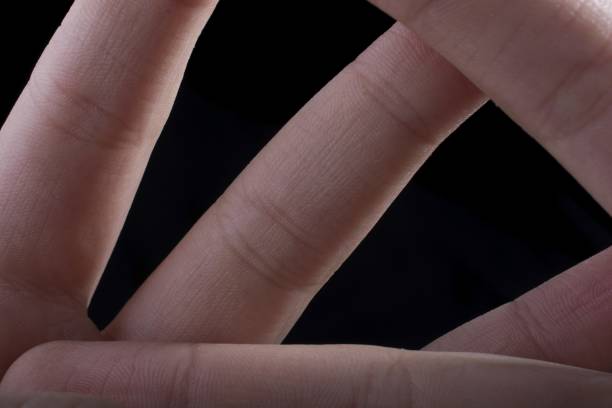
Hey there. I know what it is like to have a habit you just cannot seem to shake. Maybe you bite your nails when you are nervous, or maybe you do it without even thinking. I used to do it too. My fingers looked rough, and I felt embarrassed about it. But here is the good news: you can change that habit using something called behavioral therapy. It sounds fancy, but it is really just a simple way to look at what you do and then find a smarter way to do something else instead. Let me walk you through it step by step, like a friend giving you advice.
First, you need to understand what a habit really is. A habit is something you do over and over again until it feels automatic. Think of it like a path in the woods. The first time you walk that path, you push through bushes and trip on roots. But if you walk the same path every day, soon it becomes a smooth trail. Your brain works the same way. Every time you bite your nail, you are making that path stronger. Behavioral therapy helps you build a new path instead.
So where do you start? The very first step is to figure out your trigger. A trigger is the thing that makes you want to bite your nails. Maybe it happens when you are bored in class. Or when you are watching a scary movie. Or when you are stuck on a hard homework problem. For me, it was whenever I had to wait for something. I would look at my nails and just start chewing. Write down your triggers on a piece of paper. Keep it simple. Just list the times you notice yourself reaching for your mouth.
Once you know your trigger, the next step is to replace the behavior. This is the key part of behavioral therapy. You do not just try to stop the habit cold turkey. That is really hard, and it usually fails. Instead, you swap in a different action that gives you a similar feeling. For nail biting, a good replacement is something that keeps your hands busy. You could squeeze a stress ball, tap your fingers on the table, or even snap a rubber band on your wrist (gently, of course). The point is to give your hands something else to do when the trigger appears. It takes practice, but after a while your brain will start to take the new path.
Now let us talk about rewards. Behavioral therapy works best when you celebrate your wins. Every time you go a whole day without biting your nails, give yourself a small treat. It does not have to be big. Maybe you let yourself watch an extra episode of your favorite show, or you buy a cheap pack of gum. The reward tells your brain, “Hey, this new habit is good!“ That makes your brain want to keep doing it. Do not be hard on yourself if you mess up. Nobody is perfect. Just get back on the path the next day.
Another trick is to make the old habit harder to do. Put bitter-tasting nail polish on your nails. Or keep your nails trimmed short so there is nothing to bite. You can also wear gloves when you are at home. The harder you make the old habit, the easier it is to choose the new one. Behavioral therapy is all about setting up your environment to help you succeed.
I also want you to think about why you want to change. Maybe you want nicer-looking hands. Maybe you want to stop getting sore fingers. Maybe you just want to feel more in control. Keep that reason in your mind. Write it down and put it somewhere you can see it, like on your mirror. When you feel the urge to bite, read that reason out loud. It will remind you why you are doing this.
One last thing: be patient. Habits do not vanish overnight. It can take weeks or even months for a new behavior to feel normal. But every little step counts. If you used to bite your nails twenty times a day, and now you only do it ten times, that is a win. Celebrate it. And if you really struggle, do not be afraid to ask for help. A therapist who knows behavioral therapy can give you even more tools. But for now, you have everything you need to start. You can do this. Your new path is waiting.