Have you ever sat with your grandparent and listened to them tell the same story for the tenth time? Maybe you rolled your eyes a little, but deep down you knew it made them happy. That feeling is real, and it is actually a powerful tool that counselors use to help older adults. It is called remembering the past on purpose, and it can lift up people who are feeling lonely, sad, or confused about their lives. If you are thinking about becoming a counselor for older adults, this is one of the most helpful and kindest things you can do.
When people get older, a lot of changes happen. Their bodies slow down, friends move away or pass on, and they might not be able to do the things they used to love. It can feel like they are losing pieces of themselves. Many older adults feel invisible or like no one cares about their stories anymore. That is where a special type of therapy called reminiscence therapy comes in. Reminiscence is just a fancy word for remembering and talking about your life. A counselor who works with older adults can sit down with them and ask simple questions like, “What was your favorite job?” or “Tell me about a funny thing that happened when you were young.” The goal is not to force them to remember things they do not want to. It is to help them feel good about the life they have lived.
What makes this so powerful? When an older person talks about their past, they are not just passing time. They are rediscovering who they are. Every memory holds a little piece of their identity. Maybe they were a great cook, a brave soldier, a loving parent, or someone who overcame hard times. Talking about those moments reminds them that they have value. It fights off the feeling that they are just a burden or that their best days are over. Counselors have seen that older adults who do this kind of talking feel less depressed and more connected to the people around them. They smile more. They sleep better. They even feel less pain sometimes because their mind is focused on happy things instead of aches and worries.
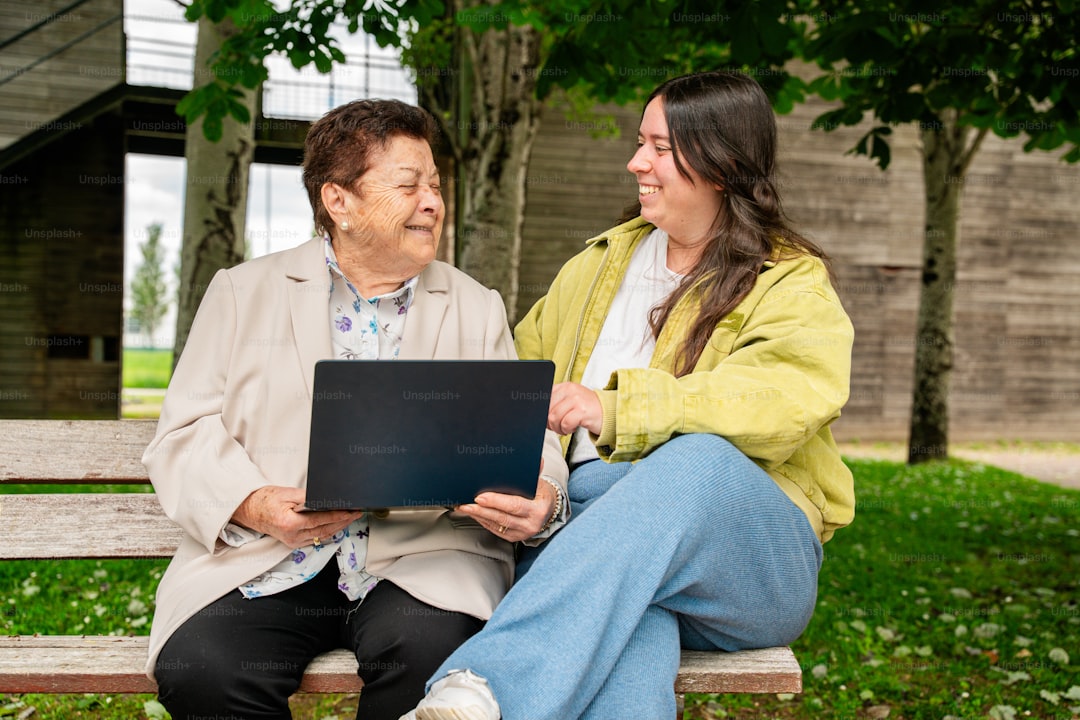
Now, you might wonder how a counselor actually does this. It is simpler than you think. A good counselor starts by building trust. They do not jump straight into deep questions. They might bring a photo album or an old song. They let the older person lead the conversation. If someone does not want to talk about a sad memory, that is okay. The counselor gently guides them toward happier times. For example, they might ask, “What was your favorite holiday or tradition?” or “Who was your best friend growing up and what did you do together?” The counselor listens with real interest, nods, and asks follow-up questions. They make the person feel heard. That feeling of being heard is medicine all by itself.
Another thing that makes this therapy work well is that it can be done in groups. Imagine a group of older adults sitting in a circle at a senior center or nursing home. The counselor brings up a topic like “first jobs” or “favorite vacations.” One person starts talking, and then another chimes in with their own story. Laughter fills the room. People who barely knew each other start to bond. They realize they are not alone in their memories or their feelings. This group setting helps fight loneliness, which is a huge problem for seniors. It gives them a reason to get out of bed and a chance to make new friends, even late in life.
Some people worry that talking about the past will make older adults sad about things they have lost. And yes, sometimes tears come. That is okay. A good counselor knows how to handle those moments. They let the person cry if they need to, then gently help them find a bright spot in the memory. Maybe they lost a spouse, but they can remember a funny thing that spouse used to do. The sadness does not go away completely, but it gets mixed with gratitude. That mix is healthier than keeping the sadness bottled up.
If you are thinking about becoming a geriatric counselor, this approach is a great place to start. You do not need a fancy degree or a bunch of complicated skills. You mainly need a warm heart, patience, and a genuine interest in other people’s lives. Older adults have so much wisdom and so many stories. Sitting with them and helping them share those stories is a gift to both of you. You will learn things you would never find in a textbook. And you will make a real difference in someone’s final chapter of life.
So next time you hear an older person start a story with “Back in my day,” lean in. Listen close. That story might be the very thing that makes their day better. And if you choose to become a counselor who specializes in working with older adults, you can do that for a living. You can help them remember not just what they did, but who they are. That is a beautiful thing.