When something really bad happens to a family, it can feel like the whole world got turned upside down. Maybe there was a car accident, a terrible loss, or something scary that no one saw coming. After that kind of event, everyone in the family might feel jumpy, worried, or just not like themselves. Parents might not know how to help their kids. Kids might not know how to talk about what they feel. It is a confusing time, and it can make the family feel broken.
But here is the good news. Families can heal. One of the most powerful tools for healing after trauma is something very simple: routines. Routines are the regular things you do every day, like eating dinner together, brushing teeth before bed, or having a certain time for homework. When trauma happens, these routines often get thrown out the window. Life becomes chaotic. Your brain stays on high alert, waiting for the next bad thing. That is exhausting.
Bringing back routines is like putting the pieces of a puzzle back together. It tells your brain, “Hey, things are predictable now. You can relax a little.“ This is called creating safety. And safety is the number one thing families need after trauma.
Let me give you an example. Imagine a family where a teenager was in a bad bike crash. After the crash, the teen is scared to leave the house. The parents are scared to let them out of their sight. Mealtimes become stressful. Bedtimes are a mess because everyone is having nightmares. The whole house feels tense.
What if that family started a simple routine? Every evening at six o’clock, they sit down together for a meal. No phones. No TV. Just eating and talking about one good thing that happened that day. It might feel awkward at first. The teen might not want to talk. But after a few days, something shifts. The brain starts to expect that safe time. The body relaxes just a little bit. The routine becomes a anchor.
Routines do not have to be big or fancy. They can be small things like a morning hug before school, a special song before bed, or a Saturday morning pancake breakfast. The key is that they happen the same way every time. That predictability is what makes the brain feel safe.
Another important part of trauma-informed family practice is letting everyone have a voice. When trauma happens, people often feel powerless. They did not get to choose what happened to them. Routines give back some of that power. You can ask each family member, “What routine would help you feel safe?“ Maybe one kid wants a calm bedtime story. Maybe a parent wants five minutes of quiet coffee time in the morning. When everyone gets to help create the routine, it becomes their routine. That builds trust.
Trust is another big piece of the healing puzzle. After trauma, trust can be broken. You might not trust that the world is safe. You might not trust that your family can protect you. Routines help rebuild that trust because they are reliable. Every night at the same time, you know what is coming. That consistency says, “I am here. I am not going anywhere. You can count on me.“
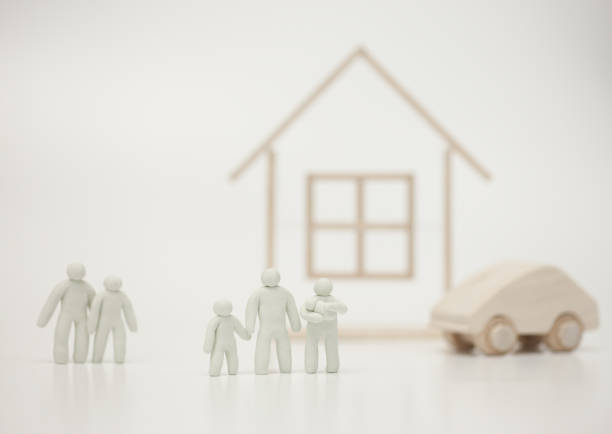
Of course, routines are not a magic fix. They do not erase what happened. But they give the family a steady ground to stand on while they do the harder work of talking about feelings, going to therapy, and processing the trauma. Think of routines like the frame of a house. The house might have cracks in the walls and broken windows from the storm, but the frame holds it up while you make repairs.
It is also okay if your routines do not work perfectly right away. Healing takes time. Some days you might skip the routine because everyone is too tired or upset. That is fine. The important thing is to come back to it. Do not give up. Even a messy routine is better than no routine.
In my own work with families, I have seen these small changes make a big difference. A family that could barely look at each other after a house fire started sharing a hot chocolate ritual every night. Within two weeks, they were laughing again. Not because the fire did not happen, but because they remembered they were still a family. They still had each other. The routine gave them a way to reconnect when words were too hard.
If your family has been through something hard, try starting one tiny routine today. It could be as simple as saying “I love you” before every meal. Or taking three deep breaths together before you get out of the car. Pick something small and do it the same way every time. Watch what happens. Over days and weeks, that one small routine can become a bridge back to feeling safe, connected, and whole again.
Trauma does not have to be the end of your family story. With patience and a little bit of structure, you can write a new chapter where healing is possible.