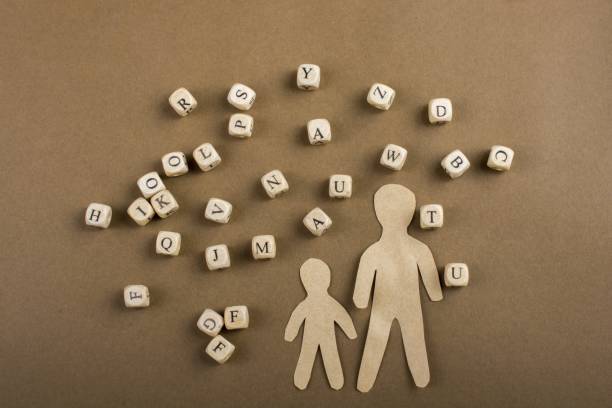
Let me tell you a story. Imagine a family sitting down for dinner. One person, maybe a parent or a child, has been through something really hard. It could be a scary accident, losing someone they love, or living through a time that felt unsafe. That experience is called trauma. And even if nobody talks about it, trauma shows up at the dinner table.
When someone in a family has trauma, the whole family starts talking differently. You might notice that some conversations get cut short. One person might get quiet all of a sudden. Another might get angry fast for no obvious reason. Maybe people stop asking questions because they are afraid of upsetting someone. The words in the house begin to feel different. They feel heavier or more careful.
I am writing this because, if you are thinking about a career in marriage and family therapy, you will see this a lot. Families come to you because the way they talk to each other is broken. They feel stuck. And often, the root of that stuckness is trauma. Understanding how trauma changes family conversations is the first step to helping them heal.
Think about what happens inside a person who has been through trauma. Their brain is always on alert. It is like a smoke alarm that goes off even when there is no fire. So when someone in the family says something that reminds them of the trauma, even a little bit, their alarm goes off. They might yell. They might shut down. They might leave the room. The other family members do not understand. They think, “Why are they overreacting?“ But it is not overreacting. It is the trauma talking.
Now, here is what happens to the rest of the family. They start to walk on eggshells. They learn which topics are safe and which topics are not. Maybe they stop talking about their own feelings because they do not want to set off that alarm. Or maybe they get angry back because they feel confused and hurt. Over time, the family stops talking about real things. They talk about school, work, and what is for dinner. But they never talk about how they feel. The silence becomes a habit.
This is where trauma-informed family practice comes in. As a therapist, your job is not to fix the trauma overnight. It is to help the family build a new kind of talking. A kind of talking that feels safe for everyone. And that takes time and patience.
One thing you can do is teach everyone how to slow down. When someone starts to get upset, you can help them pause and take a breath. You can say, “It is okay to feel this way. Let us take a second.“ Slowing down lets the brain know that there is no actual danger right now. It is just a conversation.
Another big part is helping each person say what they need. Someone who has trauma might need to hear, “I am not mad at you.“ Someone else might need to say, “When you raise your voice, I feel scared.“ Giving everyone words for what is happening inside them makes it easier to talk without fighting. You can help families practice these sentences. It feels awkward at first, but it works.
You also want to make sure that the person who experienced trauma does not become the only focus. Trauma affects everyone in the family. The parents might feel guilty. The kids might feel ignored. Everyone has their own story. In trauma-informed family practice, you listen to all of them. You help each person see that they are not alone in this mess. The trauma is the problem, not the person. And the whole family can work together to fix how they talk.
Here is something else that might surprise you. Sometimes, the way a family talks is actually a way of protecting each other. The silence, the jokes, the changing the subject. Those are ways to keep the trauma from hurting everyone all over again. That is not bad. It is just not working anymore. Your job is to help them find new ways to protect each other. Better ways that include real listening and real feeling.
If you choose to work in this area, you will need to be patient. Change does not happen in one session. It happens in little moments. A child says, “I was scared when you yelled.“ A parent says, “I am sorry, I did not know.“ And then they sit in that awkward silence together, and it is okay. That is a win.
You will also need to take care of yourself. Hearing about trauma can be heavy. Make sure you have people to talk to. Take breaks. Remember that you are not fixing everything. You are just helping families find a new way to talk. That is enough.
So if you are thinking about becoming a marriage and family therapist, and you want to work with trauma, you have picked a hard but beautiful path. You get to be the person who shows a family that their words can still connect them. That even after something awful, love can find a way through conversation. You get to help them rewrite the story of their family, one slow, safe conversation at a time.