Have you ever seen a kid who just can’t put their feelings into words? Maybe they slam a door, cry out of nowhere, or just say “I don’t know” when you ask what’s wrong. That’s totally normal. Kids and teens don’t always have the words to explain what’s going on inside them. That’s where play comes in. In marriage and family therapy, we use play as a way to help young people share their feelings, work through tough stuff, and feel closer to the people who love them.
When you think of therapy, you might picture a couch and a lot of talking. But for kids and teens, talking isn’t always the best way. Their brains are still growing, and the part that handles big emotions and words isn’t fully ready yet. So instead of asking a child “How do you feel?” and expecting a long answer, we let them show us through play. A seven-year-old might use toy animals to act out a scary situation. A teenager might draw a picture that shows how lonely they feel. That’s not just playing around. That’s real communication.
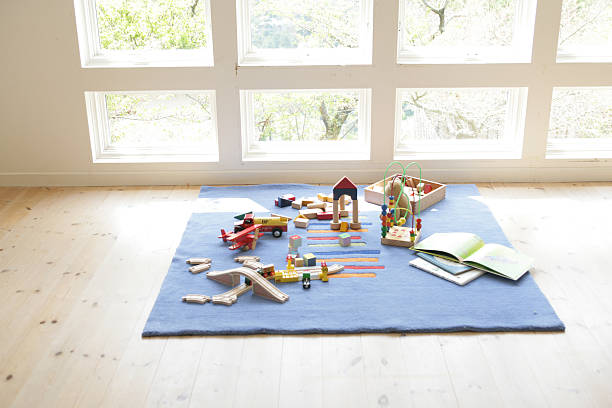
Play is the natural language of children. When they play, they feel safe. They don’t have to worry about saying the wrong thing or being judged. In a therapy room, there are toys, art supplies, sand trays, and maybe even puppets. The therapist watches how the child plays and gently talks with them about what they’re doing. For example, if a kid builds a tower and then knocks it down over and over, the therapist might say, “Looks like something keeps falling apart for you. That must be frustrating.” The kid might nod or keep playing. Over time, they start to open up about what’s really going on.
This kind of therapy works great for teens too. Teens often feel pressure to act grown up or hide their feelings. But they still have a kid side that needs to let go. A therapist might use games, music, or even video games to connect with a teen. One teen I worked with loved drawing anime characters. She used her drawings to show how she felt about her parents’ divorce. We talked about the characters’ feelings, and slowly she started talking about her own. The drawing was the bridge.
Play therapy isn’t just for the child. It’s also a way to help the whole family. A marriage and family therapist might have a session where the child and a parent play together. The parent learns to see things from the child’s point of view. They might discover that when their son plays with army figures, he’s showing how he feels like he’s in a battle at school. That gives the parent a new way to help. The therapist coaches the parent on how to respond with kindness instead of getting angry. Soon the whole family starts talking more honestly.
The best part about play therapy is that it doesn’t feel like work to kids. They come in, have fun, and get to be themselves. But underneath the fun, real healing happens. They learn how to handle big feelings like anger, sadness, or worry. They practice solving problems. They build trust with the therapist and with their family. And they start to believe that things can get better.
If you’re a parent wondering if therapy could help your child or teen, know that play is a powerful tool. You don’t need fancy words or special training. You just need a willingness to meet your child where they are. A good marriage and family therapist will guide you and your child through the process. Together, you can find new ways to understand each other and heal.
So next time you see a kid building with blocks or a teen zoning out with a sketchpad, remember: they might be saying more than you think. In therapy, we listen with our eyes as much as our ears. And sometimes the most important conversations happen without a single word.