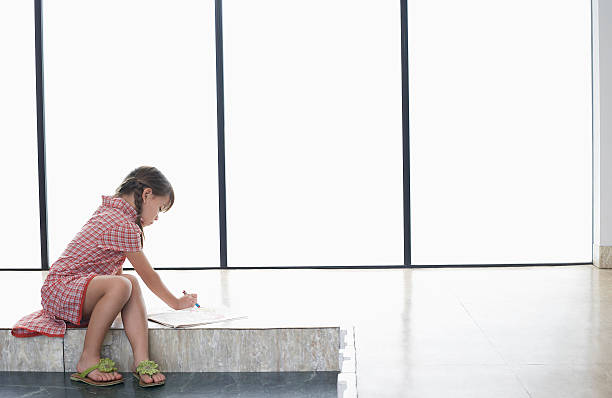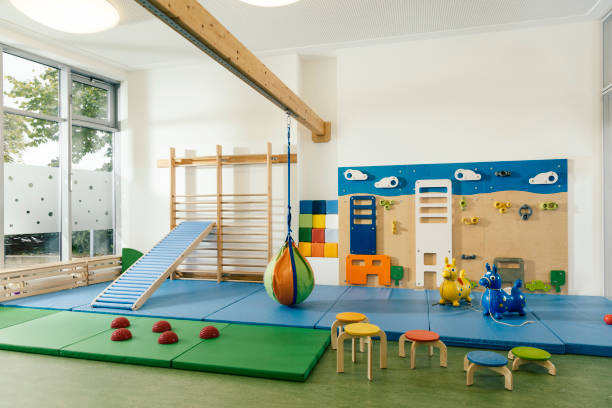
When you think about therapy, you might picture two chairs facing each other and people talking about their feelings. But for kids and teens, talking is not always the easiest way to share what is going on inside. That is where play therapy comes in. Play therapy is a way for children and teenagers to work through their problems by playing, drawing, building, and acting out stories. It might look like just having fun, but underneath, it is serious work that helps young people feel better and helps families get closer.
I want you to imagine a nine-year-old boy named Marcus. His parents are going through a tough divorce. He feels sad, scared, and angry, but he cannot find the words to say it. In play therapy, Marcus gets to pick toys from a shelf. He picks two action figures and a little dollhouse. He starts making the figures fight while the dollhouse gets knocked over. The therapist does not tell him to stop. Instead, she says things like “I see that house is having a hard time” or “Those two figures seem really upset with each other.” Slowly, Marcus begins to put words to his play. He says the house is his home and the figures are his mom and dad. Through play, he shows his feelings without having to explain them. That is the magic of this approach.
Play therapy works for all kinds of kids and teens, not just those dealing with divorce. It helps with anxiety, sadness, anger, trouble in school, trauma, and even problems with friends. For teenagers, play therapy might look a little different. A teen might not want to play with dolls, but they might use art, music, sand trays, or even video games to express themselves. The idea is the same: give them a safe space to be themselves and work out their feelings in a way that feels natural.
One reason play therapy is so powerful is because kids and teens often do not have the words for big feelings. Their brains are still growing, especially the parts that handle language and self-control. So when a therapist tells a teenager to “talk about your anger,” that teen might just shrug or say “I don’t know.” But if that same teen is asked to draw a picture of what anger looks like, or to build a volcano out of clay, suddenly the feelings come out. The play lets the brain off the hook. It does not have to find the perfect words. The feelings just show up in the toys or the art.
Another big reason play therapy helps is because it builds trust. Kids and teens often feel nervous about therapy. They might think the therapist is on their parents’ side, or that they will get in trouble for being honest. But when a therapist sits on the floor and plays with them, it changes the power dynamic. The child is the leader. They decide which toy to use and what story to tell. The therapist follows their lead. That makes kids and teens feel safe and in control. Over time, they start to trust the therapist and open up about real problems.
Play therapy also helps families. When a child is struggling, it affects everyone in the house. Parents feel worried, frustrated, or helpless. In marriage and family therapy, the therapist often brings the whole family into some sessions. They might watch the child play and learn new ways to connect. For example, a mom might learn that when her son is angry, he needs to throw soft balls or stomp on bubble wrap instead of yelling. A dad might learn that his daughter feels loved when he builds Lego towers with her quietly. Play therapy gives parents a window into their child’s world. It teaches them how to respond with patience and understanding.
Some people worry that play therapy is just for little kids. But actually, it works for teens too. A fourteen-year-old might not want to sit on the floor with dolls, but they might be willing to play a board game that lets them talk about feelings without being direct. Or they might make a collage of magazine pictures that show how they feel about their parents fighting. The therapist meets them where they are. The goal is always the same: help the young person feel heard, understood, and able to heal.
Play therapy is backed by a lot of research. Counselors train for years to learn how to use it properly. They know how to watch a child’s play and understand what it means. They also know when to step in and when to just let the play happen. It is not about telling a child what to do. It is about giving them a chance to solve their own problems in a safe way.
If you are thinking about becoming a marriage and family therapist, learning play therapy is a great skill to have. Many families with children and teens come in for help. Knowing how to reach young people through play can make a huge difference in their lives. And it can be really rewarding to watch a child go from being sad and angry to feeling happy and connected again.
The bottom line is this: kids and teens are not just little adults. They process the world differently. Play therapy honors that. It lets them be themselves while they heal. And that makes families stronger.