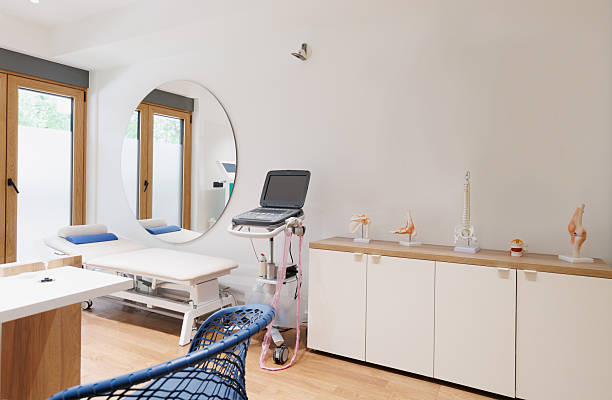
Imagine walking into a hospital room where a child is scared of their treatment. They are surrounded by machines and strange noises. You sit down with them, not with a needle or a clipboard, but with a box of crayons and a blank sheet of paper. You invite them to draw how they feel. Slowly, their fear starts to fade. They color a bright sun or a wiggly monster. They start to talk. This is what art therapy looks like. It is real. It is needed. And it could be your career.
Art therapy is one of the many career paths you can take after you graduate from a therapy degree program. When you think about working in a hospital, you might picture doctors and nurses. But hospitals also need people who can help patients heal in a different way. Art therapists use drawing, painting, sculpting, and other creative activities to help people deal with stress, pain, and emotional struggles. You do not have to be a famous artist to do this job. You just need to care about people and understand how making art can make someone feel better.
In a hospital, art therapists work with all kinds of patients. You might work with children who are staying for a long time. You could help a teenager who is recovering from an accident. You might even work with older adults who have memory problems. The goal is never to make a perfect picture. The goal is to give patients a way to express what they cannot say with words. Sometimes people are too afraid or too sad to talk. But when they pick up a paintbrush, something changes. Colors and shapes can say what words cannot.
The work you do as an art therapist is not just a nice extra. It is backed by science. Studies show that making art can lower stress hormones, reduce pain, and improve mood. For patients in a hospital, feeling less scared or less lonely can actually help them heal faster. That is why many hospitals now have art therapy programs. They know that treating the whole person means treating their mind and heart, not just their body.
So what do you need to become an art therapist? First, you need a bachelor’s degree in a related field like psychology, social work, or fine arts. Then you go to graduate school to earn a master’s degree in art therapy. This is where you learn how to use art in a safe and helpful way. You also learn about mental health, child development, and how to talk to patients in pain. After you graduate, you need to get a license or certification, which usually involves passing a test and doing supervised work. It takes time, but it is worth it.
Once you have your degree and license, you can look for jobs in hospitals. You might work in a big city hospital or a small community medical center. You could be part of a team that includes doctors, nurses, social workers, and psychologists. You will have your own space, often called an art therapy studio, where patients can come to you. Or you might go to patient rooms with a cart full of art supplies. Every day is different. Some days you might help a patient make a collage that tells their life story. Other days you might guide a group of patients in a mural project for the hospital hallway.
The pay for art therapists varies, but it is a solid career. According to the U.S. Bureau of Labor Statistics, the average salary for art therapists is around fifty to sixty thousand dollars a year. Some make more with experience or in bigger hospitals. The job outlook is good because more and more hospitals are seeing the value of creative therapies. As the population ages and mental health awareness grows, the need for art therapists will keep rising.
But money is not the main reason to choose this path. The real reward is the moments you share with patients. You will see someone go from crying to laughing. You will watch a person who felt invisible become proud of what they made. You will know that you helped someone get through a hard time. That feeling is hard to beat.
If you are the kind of person who loves to help others, who is not afraid of messy paint or big emotions, and who wants a job that feels meaningful every day, then art therapy in a hospital might be for you. You do not need to be a perfect artist. You just need to be a good listener and a kind person. Your art supplies become your tools. Your hospital room becomes your studio. And every patient you meet becomes a reason to keep going.
So think about it. After you graduate, you could be the person who brings color into a gray hospital room. You could be the one who helps a scared child find their smile again. That is not just a job. That is a calling. And it is waiting for you.