Let’s talk about the future of therapy. It’s not just in an office anymore. It’s in living rooms, on kitchen tables, and on phone screens. This is telehealth therapy, and it’s changing everything. If you’re thinking about a career in therapy, this isn’t just a trend to watch. It’s a whole new way to do your job. For someone looking at degree programs and job training, understanding telehealth is key to seeing where your new career can really go.
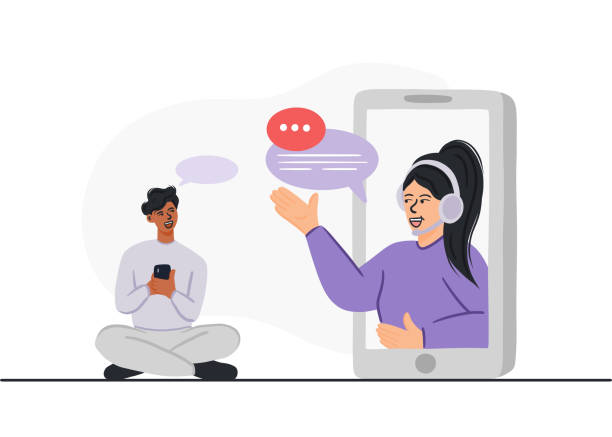
So, what is it? Telehealth therapy is simply meeting with clients for counseling or therapy through a video call. It uses secure websites that look a lot like Zoom or FaceTime, but are made just for doctors and therapists. It means help can reach people who live far from a therapist’s office, who have trouble getting out of the house, or who just feel more comfortable talking from their own space. For you, the future therapist, it means your potential workplace just got a lot bigger.
Think about your career path after graduation. With training in telehealth, your options open up wide. You could work for a big online therapy company. These companies connect therapists with clients all over your state. You could join a hospital or clinic that offers virtual visits. This lets you be part of a team without a long commute. You could even build your own private practice from your home office. Instead of only seeing people in your town, you could see clients from anywhere in your state. This gives you more freedom and control over your schedule and your business.
This shift also means you can help people you never could before. A mom with three kids who can’t find childcare for an appointment can now talk to you during naptime. A veteran in a rural area with no local therapist can get the support they need. A college student away from home can keep seeing their trusted therapist. Your impact grows because you can meet people right where they are. That’s a powerful reason to choose this career.
Of course, it’s different from in-person therapy. You learn new skills in your degree programs and job training for this. You learn how to read a person’s face and tone on a screen. You learn how to create a safe and private space for them, even when you’re not in the same room. You learn the important rules about online privacy and what to do in a crisis from far away. Good therapy degree programs are now teaching these skills because they are essential for today’s job market.
For someone starting or changing careers, this is exciting news. It means the world of therapeutic help is growing, not shrinking. It means you can have a meaningful, stable career that fits a modern life. You will still need all the core skills—listening, guiding, supporting—that you learn in any good therapy degree. But now you can use those skills in a new, flexible way.
Your journey starts with the right education. Look for degree types and programs that talk about telehealth, online counseling, or technology in therapy. This shows they are preparing you for the real world of work today. As you plan your career, see telehealth not as a side option, but as a main road. It’s a direct path to helping more people and building the practice you dream of, all from the comfort of home—yours and theirs.