If you are thinking about a career in therapy, you are entering the field at an exciting time. A big part of therapy now happens online through telehealth. This means you need to learn how to help people from behind a screen, not just in an office. Luckily, the tech tools for learning these skills are better than ever, especially if you are getting your degree online.
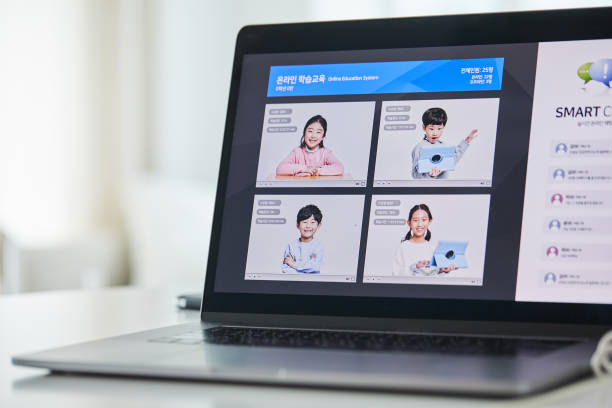
Online degree programs are the main way people now train for telehealth. These programs are built to teach you everything you need from the comfort of your home. They use special school websites where you watch video lectures, join class discussions on message boards, and turn in your assignments. This is your first and most important tech tool. It gets you used to the online world where you will one day work with clients. Learning to communicate clearly and professionally through writing and video in your courses is the first step to becoming a good telehealth provider.
But how do you practice the actual skills of therapy? This is where simulation software comes in. Think of it like a flight simulator for therapists. These are advanced computer programs that create fake clients for you to talk to. You can practice your first meeting, work on asking the right questions, and handle tough conversations—all without a real person on the other end. It’s a safe space to make mistakes and learn. Your online program might include access to this software, letting you get real practice time that is very close to the real thing.
Of course, you will also need to practice with real people. For this, online programs use secure video meeting platforms that are made for healthcare. Tools like Zoom for Healthcare or doxy.me are common. They are private and follow strict rules to keep client information safe. In your training, you will use these to do role-plays with your classmates or in supervised sessions. You will learn how to set up a professional background, make good eye contact on camera, and notice small details in a client’s face or voice over the internet. Mastering this video tool is just as important as learning how to use a notebook and a chair in an old-fashioned office.
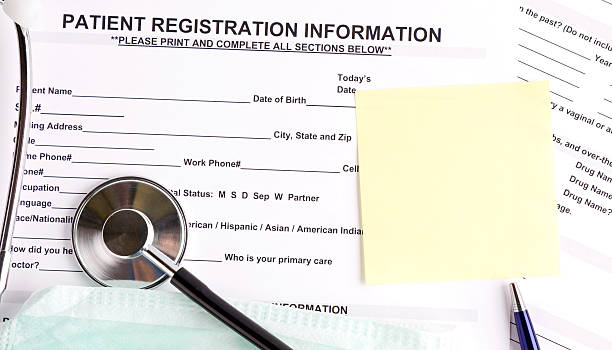
Finally, a key part of modern therapy is keeping good notes and records. In telehealth, this is done with special online systems called Electronic Health Records, or EHRs. Many online degree programs will introduce you to simple versions of these systems. You learn how to type up your session notes, store them safely, and understand the privacy laws that protect them. Getting comfortable with this digital paperwork during your studies means you will be ready on your first day of a real job.
Starting a career in therapy through an online degree is a smart choice for today’s world. These programs do more than just teach you from a book. They use modern tech tools—from learning websites and simulation software to secure video and record-keeping systems—to prepare you fully for the world of telehealth. By the time you graduate, you won’t just be a trained therapist. You will be a tech-confident therapist, ready to help people wherever they are.