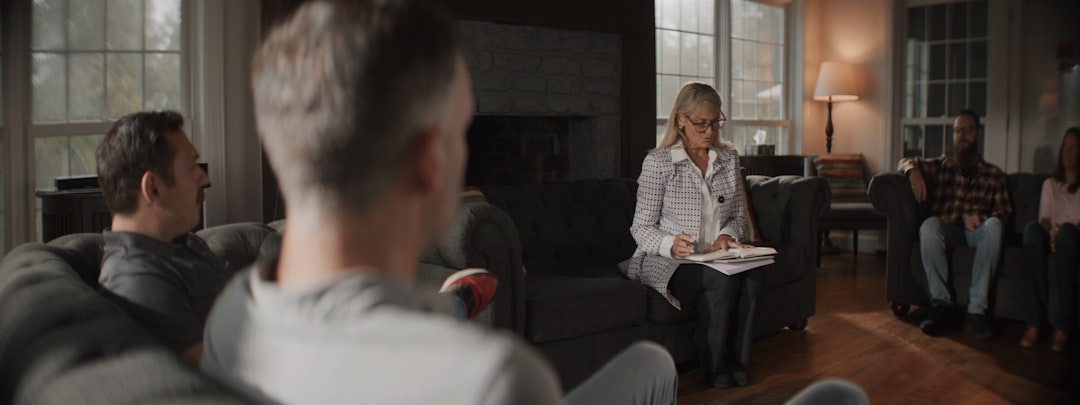
Let’s talk about talk therapy. It’s exactly what it sounds like: people talking to help other people feel better. It’s not about lying on a couch or having someone tell you what to do. It’s about creating a safe space where someone can sort through their thoughts, feelings, and problems with a trained guide. If you’re the person friends always come to for advice, or you find yourself wanting to understand why people act the way they do, a career in this field might be for you. It’s real work that makes a real difference.
So, what do you actually do in this job? You listen. Really listen. You help people see patterns in their thinking that might be holding them back. You give them tools to handle stress, anxiety, sadness, or tough relationships. Some days you might help a teenager deal with school pressure. Another day, you could be supporting an adult through a divorce or a big loss. You are part coach, part sounding board, and part detective, helping people find their own answers and strength. It’s challenging because you hear hard stories, but it’s rewarding because you get to see people grow and heal.
Now, how do you become one of these helpers? You can’t just start with a good heart. You need the right education and training. This is where TherapyDegree.com comes in. We help people like you figure out the first steps. You’ll need at least a master’s degree. Common paths are getting a Master’s in Counseling, Social Work, Marriage and Family Therapy, or Psychology. Think of these programs as your job training. They teach you the theories, the ethics, and the “how-to” of therapy. You learn about human development, how to diagnose problems correctly, and the many ways to help different types of people.
But reading books isn’t enough. A huge part of your training is real-world practice. During your degree program, you will do internships. This means you’ll work with real clients under the watchful eye of a licensed therapist. It’s where you learn to use your skills in the real world. After you graduate, you’re not done yet. You’ll need to complete more supervised hours—often thousands of them—before you can take a big test to get your full license. This process makes sure you’re truly ready to help people on your own.
Once you’re licensed, your career world opens up. You could work in a private office, a school, a hospital, a community health center, or even online through telehealth. You might choose to work with kids, veterans, couples, or people struggling with addiction. The need for these services is growing, and so are the job opportunities. It’s a career built on human connection, and that’s something that will always be needed.
If you’re thinking about a career where you help people for a living, talk therapy is a powerful choice. It asks a lot of you—you need to be patient, strong, and caring. But it gives back even more. You walk with people through their hardest times and help them find a better path. Start by exploring the degree programs and training paths. Your journey to a meaningful career could start with a single conversation, and we’re here to help you figure it out.