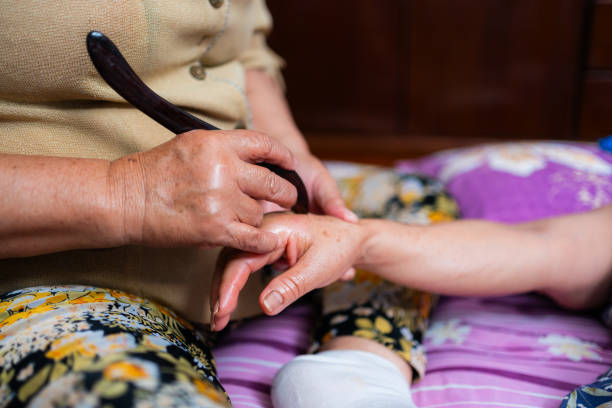
Retirement sounds like a dream come true for many people. No more early alarms, no more long commutes, no more boss telling you what to do. But once the excitement wears off, some older adults start to feel lost. They wonder: What now? Who am I if I am not my job? This is a real and common feeling. If you or someone you love is going through this, know that you are not alone. Geriatric counselors work with older adults every day to help them find new meaning and joy in life after work.
Think about it. For forty years or more, a person might have spent most of their waking hours doing a certain job. That job gave them a reason to get up in the morning. It gave them a place to belong. It gave them friends and a sense of accomplishment. When all that stops, it can feel like falling off a cliff. Some people feel depressed. Others feel bored or lonely. They might start to think they have nothing left to offer. But that is simply not true.
Geriatric counseling is all about helping older adults see that they still have value. A good counselor will sit down with you and ask questions that help you remember what you love. Maybe you always liked gardening but never had time. Now you can start a vegetable patch or join a community garden. Maybe you were great at fixing things around the house. You could teach young people how to do basic repairs at a local workshop. Or maybe you love telling stories. You could volunteer at a school and read to children, or write down your life memories for your family.
Purpose does not have to be big or fancy. It can be as simple as taking care of a pet, learning to paint, or calling a friend every week. The key is to find something that makes you feel needed and interested. For many older adults, staying connected with other people is the most important thing. Isolation is a huge problem for seniors. When you stop working, you might lose the casual chats with coworkers. You might not see people as much. That is why geriatric counselors often encourage joining a club, taking a class, or even just going to the local senior center for coffee and cards.
Some older adults worry that they are too old to learn new things. That is a myth. Your brain can still grow and change at any age. Learning a new hobby like photography, playing a musical instrument, or using a tablet to video call grandkids can actually keep your mind sharp. It also gives you something to look forward to. Counselors call this “active aging.“ It means you do not just sit back and wait for life to happen. You go out and make it happen.
Family members play a big role too. If you are the adult child of a retired parent, you can help by being supportive and patient. Do not try to force your parent to do things they do not want to do. But suggest ideas gently. Ask them what they used to enjoy when they were younger. Maybe they loved dancing. You could find a local social dance group. Maybe they always wanted to travel but could not afford it. Now they can take day trips or join a bus tour for seniors. The point is to listen and encourage.
Geriatric counselors also talk about the power of giving back. Many older adults find deep satisfaction in volunteering. They have skills and wisdom that younger people need. A retired teacher can tutor kids. A retired mechanic can help fix bikes at a community center. A retired nurse can stuff envelopes for a health charity. Helping others makes you feel good because you are making a difference. It also gives you a schedule and a purpose. You have to show up somewhere, and people count on you.
It is normal to feel sad or confused during this transition. But remember, retirement is not the end of your story. It is just a new chapter. You have decades of experience, knowledge, and love to share. The world still needs you. Geriatric counselors are there to walk alongside you, helping you discover what makes you feel alive again. Whether it is a hobby, a new friendship, or a volunteer gig, there is something out there for you. So take a deep breath, and start exploring. Your next great adventure is waiting.