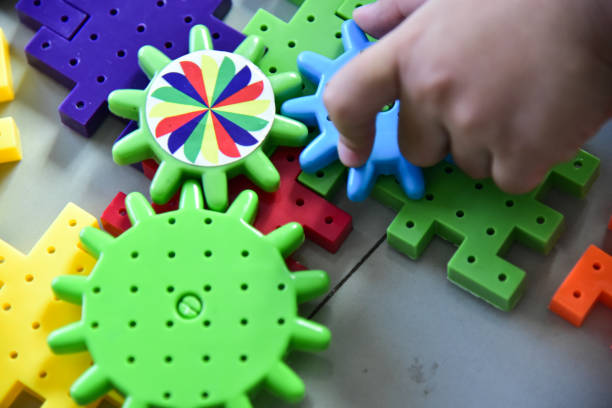
Imagine you have a big, messy feeling inside, but you don’t have the words to tell anyone about it. Maybe you feel angry because your parents fight a lot, or sad because you moved to a new school and have no friends. Grown-ups can say “I’m stressed” or “I’m lonely,” but kids often can’t do that. Their brains are still growing, and their vocabulary is small. So how do they get help? They play. That’s where play therapy comes in.
Play therapy is a special way that trained therapists work with children. Instead of sitting on a couch and talking about problems like adults do, the therapist gets down on the floor with the child and uses toys, art, sand, puppets, and games. The whole point is to let the child express what’s going on inside through the one language they know best: play. It might look like just fun and games, but underneath, it’s serious healing.
I want to tell you how this works, because if you are thinking about a career in therapy, working with kids through play therapy can be one of the most rewarding paths you can take. You get to be part of a child’s world, help them feel safe, and watch them grow stronger.
The first thing to know is that play therapy isn’t just letting a kid run wild with toys. The therapist is trained to watch carefully. When a child picks a doll and makes it yell at another doll, the therapist sees that the child might be acting out something that happened at home. When a child builds a castle in the sand and then knocks it down over and over, that could be a sign of anxiety or anger they don’t know how to handle. The therapist uses these clues to understand what the child is feeling, and then helps the child find new, healthier ways to cope.
One of the biggest reasons play therapy works is because children feel in control. In real life, kids often have no say in what happens to them. Parents make rules, teachers give homework, and big changes happen without warning. In the playroom, the child gets to choose. They decide what to play, how long to play, and what to do with the toys. That sense of power is huge for a kid who feels helpless. Over time, they start to trust the therapist, and that trust allows them to open up about the hardest stuff.
Another reason play therapy is so effective is that it reaches the part of the brain where emotions live. Talking uses the thinking part of the brain, which can be hard for a child who is overwhelmed. But play uses the feeling part. It’s like speaking the same language as the child’s emotions. When a kid acts out a scary memory with action figures, the brain processes that memory in a safe way. The fear gets smaller. The child learns that they can handle it.
So what kinds of kids need play therapy? All kinds. Kids who have gone through trauma, like abuse or a car accident. Kids who have anxiety or depression, even though we don’t always call it that in young children. Kids who act out in school, who can’t focus, who have nightmares, or who have been through a divorce or loss of a loved one. Play therapy helps them all.
The therapist also works with parents. You can’t fix a child’s problems in a one-hour session once a week if the home environment stays the same. So good play therapists meet with parents to give them tools and ideas. They help parents understand what their child is trying to say through play, and how to respond in a way that builds trust and connection. It’s a team effort, and seeing a family heal together is incredibly powerful.
If you are thinking about becoming a therapist for children, you will need to get a degree—usually a master’s degree in counseling, social work, or a related field. Then you take extra training in play therapy and get supervised experience. It takes time, but every step brings you closer to making a real difference in a child’s life. You don’t have to be a perfect person. You just need to be patient, kind, and willing to learn the language of play.
Think about what it feels like to be a kid who is hurting. They don’t have the words. They don’t understand why they feel so bad. And then a grown-up comes along, sits on the floor, picks up a stuffed animal, and says, “I wonder what Bear is feeling today.” That simple moment can change everything. The child feels seen. They feel safe. And little by little, they start to heal.
Play therapy is not just about fixing problems. It’s about giving children a chance to be children, even when life is hard. It’s about letting them discover that they are strong, that they matter, and that their feelings are okay. That is a gift that lasts a lifetime.
If you want a career where you can laugh, cry, build forts, and help kids find their way, play therapy might be exactly what you are looking for. It’s messy, beautiful, honest work. And the children you help will remember you forever.