Have you ever watched a kid playing with toy cars, building with blocks, or drawing a picture and thought, “That’s just fun and games”? Well, for many children, play is way more than fun. It’s how they talk, how they figure out big feelings, and how they make sense of the world. That’s why there is a whole type of therapy called play therapy. It’s a special way to help kids who are going through tough times, and if you are thinking about a career in therapy, understanding play therapy can open up a really rewarding path.
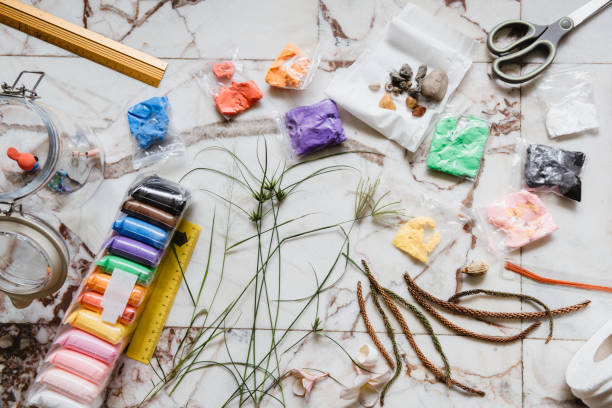
Let me explain how it works. You see, grown-ups can sit in a chair and talk about their problems. We have the words for sadness, anger, worry, and fear. But kids don’t always have those words yet. A seven-year-old might not be able to say, “I feel anxious because my parents are fighting.” Instead, they might act out, get quiet, or have trouble sleeping. Play therapy gives them a way to show what’s going on inside without having to find the perfect words. A trained play therapist sets up a room with toys, art supplies, puppets, sand trays, and costumes. Then the child gets to choose what to do. The therapist watches and joins in gently, helping the child work through their feelings.
For example, a child who has been through a scary event might line up toy soldiers and knock them down over and over. That might look like just crashing toys. But in play therapy, the therapist understands that the child is trying to feel in control of something that felt out of control. The therapist might say, “I see you are making those soldiers fall. That must feel powerful.” That simple comment helps the child feel understood. Over time, the child learns to handle those big feelings in a healthy way.
Play therapy works for lots of different issues. Kids who have experienced trauma, loss, divorce, bullying, or big changes in their family often find it really helpful. It also helps children with anxiety, depression, ADHD, and autism. The key is that the child leads the play. They are in charge. That builds trust and makes them feel safe. The therapist is there to support, not to direct. This is different from regular teaching or coaching. The goal is not to fix the child or make them behave better. The goal is to help them heal from the inside out.
Now, you might be wondering, does this really work? Yes, it does. Research shows that play therapy can really improve how a child acts, feels, and gets along with others. It can lower stress, boost self-esteem, and help kids build better relationships. And the best part? It’s something most kids actually enjoy. They don’t feel like they are in a scary doctor’s office. They feel like they are playing. That makes it easier for them to open up and make progress.
If you are thinking about becoming a therapist who works with kids, learning about play therapy is a smart move. You don’t have to be an expert in every toy or game. You just need to be patient, kind, and willing to let the child lead. Many colleges offer courses and certificates in play therapy. You can also become a registered play therapist after getting a degree in counseling, social work, or psychology. It takes extra training and supervision, but the payoff is huge. You get to be the person who helps a child find their voice again.
Imagine a little girl who has been through a hard time. She comes into your playroom, shy and quiet at first. After a few sessions, she starts to smile more. She builds a castle and lets you help. She tells her puppet, “It’s okay to be scared.” You see her confidence grow. That is what play therapy can do. It gives kids a second chance to feel safe and happy.
So if you want a career that is hands-on, creative, and deeply meaningful, consider specializing in child and adolescent mental health with a focus on play therapy. It is not always easy. You will need to be patient and learn to understand what a child is saying without words. But if you love kids and you want to make a real difference, this path could be perfect for you. Play therapy is not just about toys. It is about giving children the gift of being heard. And that is a gift that lasts a lifetime.