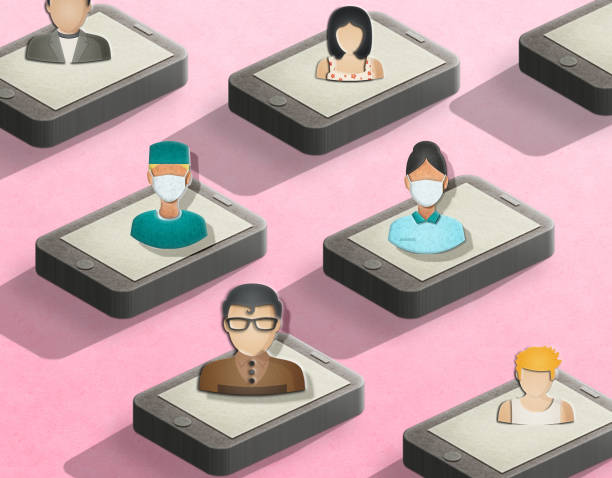
Let’s be honest. Thinking about going back to school can feel like a huge mountain to climb. Maybe you’re working a job that doesn’t feel meaningful. Maybe you’re at home raising a family and want to get ready for your next chapter. Or maybe you just know, deep down, that you’re meant to help people. That’s where online degree options come in. They are the practical, modern tool that can turn your dream of a career in therapy into a real plan, without asking you to upend your entire life.
Gone are the days when an online degree was seen as less-than. Today, top colleges and universities offer fully online programs that are just as respected as their on-campus versions. The best part? You do the work on your schedule. You can watch lectures after your kids go to bed, join class discussions on your lunch break, and complete assignments on the weekend. It’s education that fits into your world, not the other way around. This is especially perfect for people drawn to helping careers, because you’re likely already balancing a lot of responsibilities while wanting to make a difference.
So, what can you actually study online? The options are wide and cover many paths in the world of therapeutic help. You can start with an associate degree, which is a two-year program that teaches you the basics of human behavior and counseling skills. This can be a great first step and can qualify you for roles like a psychiatric technician or a case management aide. From there, a bachelor’s degree is the four-year degree that really opens doors. Online bachelor’s programs in fields like psychology, social work, or human services give you a strong foundation. This degree is often what you need to move into higher-level support roles or to apply for a master’s degree program—which is where things get really exciting for therapy careers.
The real key to becoming a licensed therapist or counselor is usually a master’s degree. This is a graduate program you do after your bachelor’s. Many universities now offer online master’s degrees in counseling, clinical social work, marriage and family therapy, and even mental health counseling. These programs mix online learning with very important real-world training. You’ll learn the theories on your computer, but you’ll also complete supervised job training, called an internship or practicum, in your own local community. This means you get hands-on experience helping people under the guidance of a professional, which is required for your license.
Speaking of jobs, let’s talk about where this path can lead. An online degree in a therapy field can prepare you for careers that are not only in demand but deeply rewarding. You could become a licensed professional counselor helping people through anxiety and life changes. You could become a school counselor guiding young students. You might become a social worker supporting families, or a marriage and family therapist helping relationships heal. The online degree is your ticket into this wide world of helping professions.
Starting or changing a career is a big decision, but it doesn’t have to be a confusing one. Online degree options have removed the old barriers of geography and rigid schedules. They provide a clear, flexible path to get the education and job training you need. If you feel the call to help others, the tools to build that career are now literally at your fingertips. Your journey to a meaningful new career in therapeutic help can begin today, from the comfort of your own home. All you have to do is take that first step and explore what’s possible.