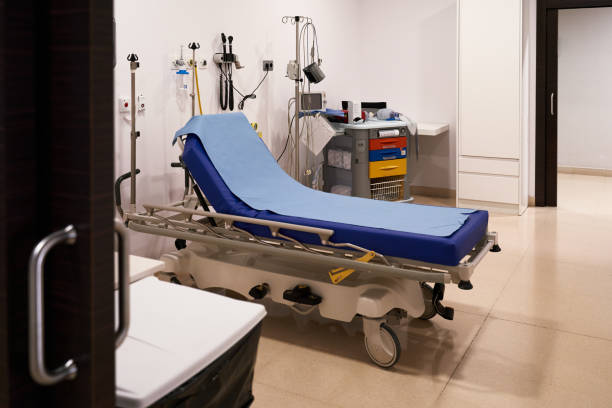
Imagine walking into a busy hospital emergency room. People are rushing around, the phones are ringing, and you can feel the stress in the air. But in the middle of all that chaos, there is a special job where you get to sit down with someone who is scared, upset, or going through the worst day of their life. You get to be the calm voice that helps them take a breath and figure out what to do next. That job is crisis counseling, and it is one of the most important roles you can have in a hospital or medical center.
So, what exactly is crisis counseling? It is a type of therapy that happens right when someone is in the middle of a tough situation. Maybe they just got terrible news from a doctor. Maybe they lost a loved one in the emergency room. Maybe they came in because they hurt themselves or felt like they could not go on anymore. In all these cases, a crisis counselor is there to help the person get through the immediate feelings of panic, sadness, or anger. We are not talking about long-term therapy that goes on for months. This is about helping someone survive the next few minutes or hours so they can start to heal.
Working in a hospital emergency room means you see all kinds of people from all walks of life. One moment you might be talking to a teenager who is scared about a test result, and the next you are sitting with an older person who just lost their spouse. Every day is different, and you never know what will come through the door. But that is also what makes the job so exciting and meaningful. You get to use your skills to help people feel a little less alone during the scariest moments of their lives.
To be good at this job, you need a few important qualities. First, you need to be a really good listener. That means not just hearing the words someone says, but also noticing how they are feeling. Are they shaking? Are they crying? Are they too quiet? A crisis counselor pays attention to all of that. Second, you need to stay calm when things get crazy. If a patient is yelling or crying, you have to be the one who stays steady and keeps your voice soft. Third, you need to be kind and patient. People in crisis might not make sense right away. They might be confused or angry. You have to meet them where they are without judging them.
The training for this career usually starts with a degree in counseling, psychology, social work, or a related field. Many programs have special classes on crisis intervention, which teaches you exactly how to handle these intense moments. You also learn about things like suicide prevention, grief support, and how to talk to people who have been through trauma. After you graduate, you might need to get a license or certification depending on where you live. Some hospitals also offer on-the-job training, so you can learn from experienced counselors while you work.
One of the best parts of this job is the impact you make. You might not see the person again after they leave the hospital, but you know that you were there for them when they needed someone the most. Sometimes you get a thank-you card or a note that says how much your words meant to them. That feeling is hard to beat. You also get to work alongside doctors, nurses, and other hospital staff who really appreciate having a mental health expert on the team. It makes the whole hospital better at taking care of people.
Of course, this job is not easy. It can be emotionally draining to see people in pain every day. You have to take good care of yourself, which means making time to relax, talk to your own friends or a therapist, and not bring the stress home with you. But if you have a big heart and a desire to help others, the rewards are huge.
If you are thinking about becoming a crisis counselor in a hospital emergency room, go for it. Start by looking into degree programs that offer classes in crisis counseling, and find out if you can volunteer at a local hospital to see what it is like. Talk to people who already do this job and ask them what they love about it. You will probably hear a lot of stories about how they helped someone through a very dark moment and made a real difference. That could be you someday, walking into the ER with a smile and a calm voice, ready to help someone take the first step toward healing.