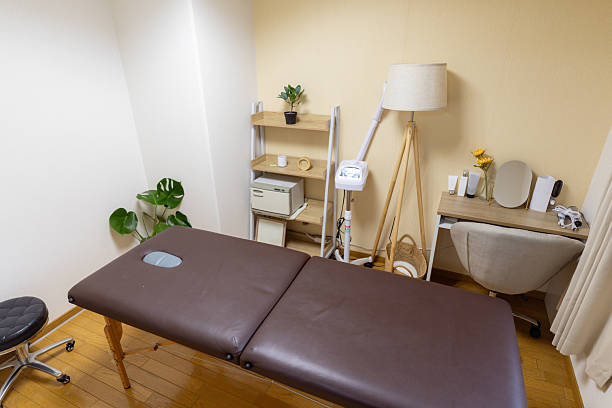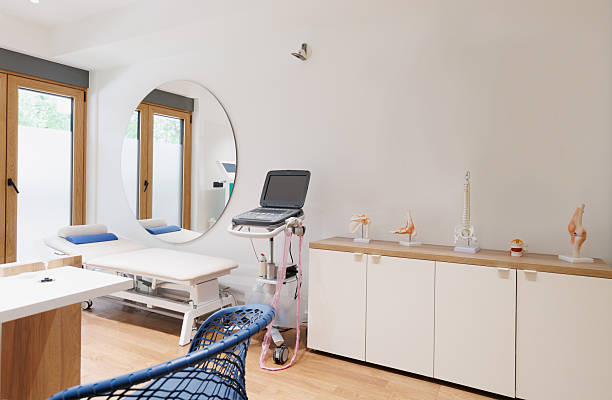
So, you’re thinking about becoming a therapist and maybe, one day, running your own show. Good. Let’s talk straight about what it really means to own a private practice. Forget the fancy words and complicated advice. This is about being your own boss in the world of helping others.
First, know this: owning a practice is running a small business. Your job is two parts. One part is being a great therapist. The other part is being a smart business owner. You are the boss, the secretary, the marketing team, and the bill collector all in one. If the idea of handling money, scheduling, and paperwork makes you nervous, that’s okay. But you need to be ready to learn or get help with those things. No one else will do it for you.
The biggest draw for most people is freedom. You call the shots. You decide when you work, who you work with, and how much you charge. Tired of working for a clinic that only gives you 50 minutes with a client? You can set up longer sessions. Want to take Wednesday afternoons off for your family? You can. This freedom is powerful. But remember, with freedom comes total responsibility. If you don’t work, you don’t get paid. No sick days. No paid vacation from an employer. The success of the business lands squarely on your shoulders.
Let’s talk money. Starting a practice costs money. You need to rent an office, buy furniture, get insurance, and pay for licenses. You might start slow, with just a few clients a week. It can take months, even a year or two, to build a full schedule of clients. The financial start can be rocky. But once you’re established, the earning potential is often much higher than working for someone else. You keep what you earn, after your business costs. For many, that trade-off—a shaky start for a better future—is worth it.
You also get to build something that is truly yours. Your practice will reflect your values and your way of helping. Maybe you want to focus on helping teens, or couples, or people with anxiety. You can create the exact kind of healing space you believe in. You’re not fitting into a company’s mold. You’re making the mold. This is deeply satisfying for therapists who have a clear vision of how they want to work.
But it can be lonely. Working in an agency or hospital means you have coworkers to talk to, to share tough cases with. In your own practice, you’re often alone. You have to make a real effort to connect with other therapists, to find your own support network. You also miss out on the benefits a big employer might offer, like health insurance or a retirement plan. You have to find and pay for those things yourself.
Is it right for you? Ask yourself some hard questions. Are you a self-starter? Are you good at managing your time without a boss looking over your shoulder? Can you handle the stress of not having a steady paycheck at first? Are you willing to talk about money with clients and handle the business side? If you said yes, then this path could be your perfect fit.
Owning a private practice is not an easy road. It’s a grind, especially at the start. But for the therapist who wants control, believes in their own way of working, and is ready to wear a business hat, it is the most rewarding career path out there. You build a living from the ground up, helping people on your own terms. That’s the real deal.