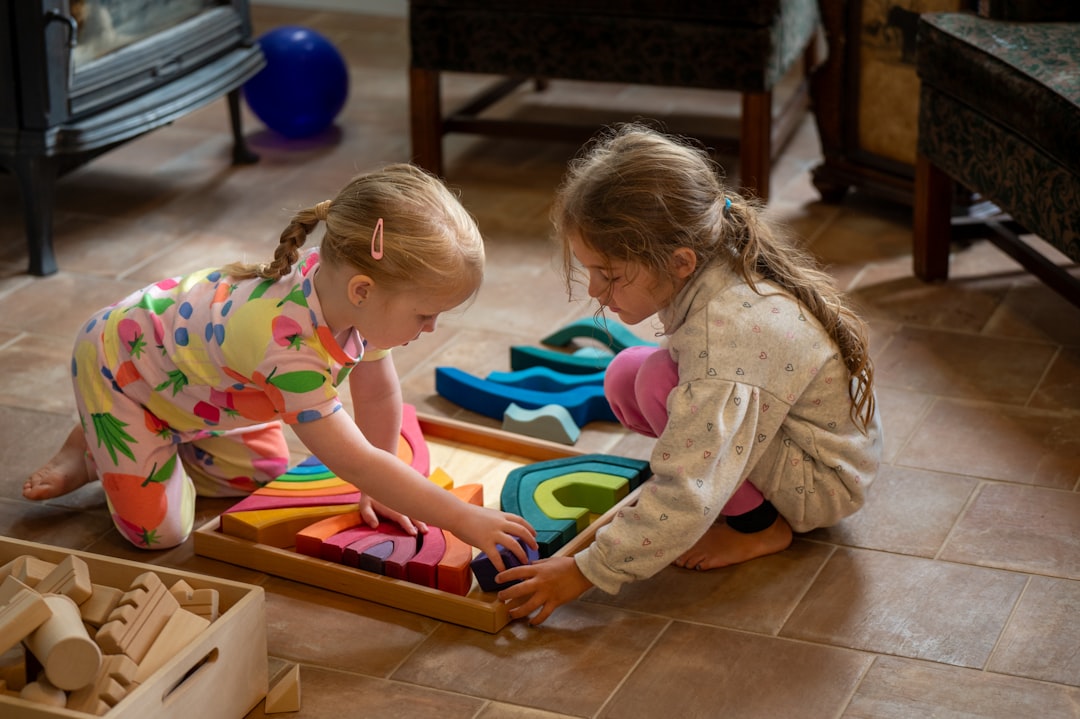
If you are thinking about a career helping people, you might picture talking with adults in an office. But what about helping children? Kids often cannot use words to explain big feelings like fear, sadness, or anger. This is where play therapy comes in. It is a powerful way for trained counselors to help younger clients heal, using the natural language of children: play.
Play therapy is not just regular playtime. It is a carefully planned approach used by mental health counselors who have special training. Think of a play therapy room. It is filled with toys, art supplies, sand trays, dolls, and puppets. These tools are like words for a child. When a child builds a world in a sandbox or acts out a story with figures, they are showing the counselor what is happening inside their mind and heart. A child who has gone through something hard, like their parents divorcing, being bullied, or a family loss, might not be able to say, “I feel scared and alone.“ Instead, they might repeatedly knock over a toy tower, showing their feeling that their world is falling apart. The trained play therapist watches, joins in carefully, and helps the child understand and work through these feelings in a safe way.
This method works because it meets children right where they are. You do not need to force a seven-year-old to sit still and have a chat. In play therapy, the child leads the way. The counselor creates a safe and accepting space where the child feels in control. Through this special play, children learn to express their feelings, solve problems, change unhelpful behaviors, and learn new ways to get along with others. It helps with many issues, from anxiety and depression to trauma and social struggles. The child is learning and healing, but from their point of view, they are just having a really important play session.
For someone looking at a career in therapy, play therapy is a vital skill to add to your toolbox. It is a specialty often pursued after getting your main counseling degree. To become a Registered Play Therapist, you first need to become a licensed mental health counselor, social worker, or similar professional. This means getting a master’s degree in counseling or a related field and getting your state license. After that, you can get extra training and supervision specifically in play therapy. Organizations like the Association for Play Therapy set the standards for this advanced training.
Choosing to learn play therapy opens a door to a deeply rewarding career path. You get to help children during their most important growing years. The impact is huge. Helping a child heal early on can change the entire direction of their life, preventing bigger problems when they are older. As a play therapist, you could work in private practice, schools, hospitals, or community mental health centers. You become a detective of feelings, a builder of resilience, and a guide who uses toys and imagination to help kids find their strength.
If you have a passion for helping others and a heart for children, this could be your calling. It is a career that combines deep psychological understanding with the joyful, creative world of play. You are not just playing with kids; you are using a proven, powerful method to help them build a healthier, happier future. Start by exploring the mental health counseling degree programs that can be your first step into this wide world of therapeutic help. Your journey to turning play into healing can start today.