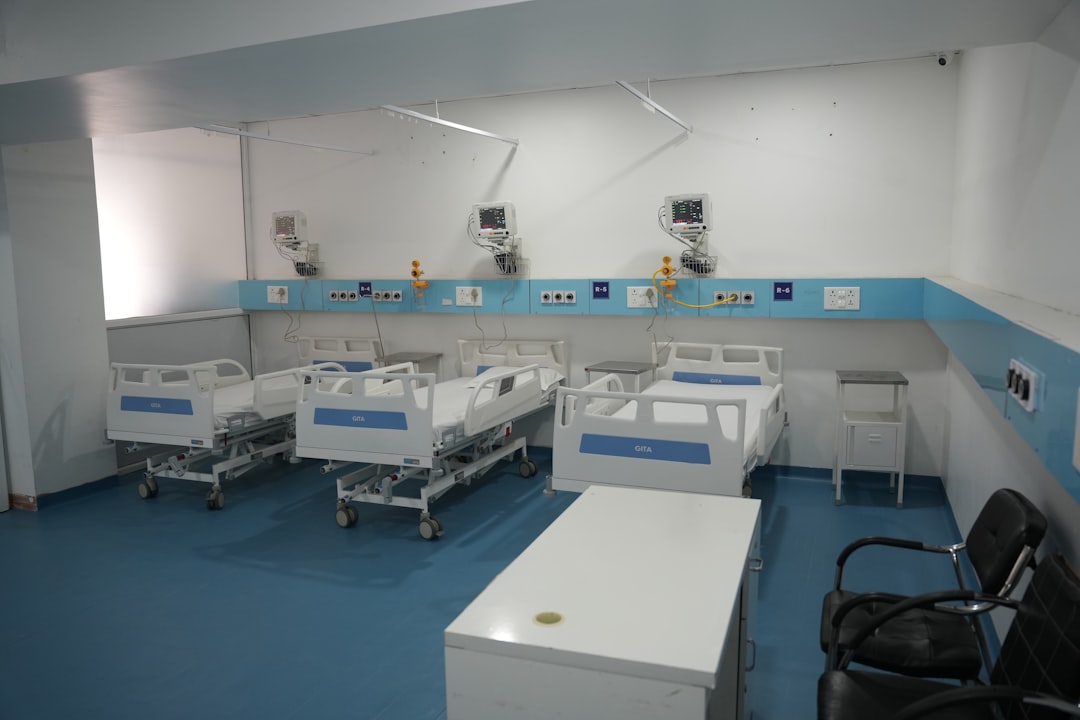
Imagine you are rushed to a hospital emergency room. Your heart is pounding, your head is spinning, and you have no idea what is happening. Maybe it is a car crash, a bad fall, or a sudden illness. The doctors and nurses rush around you, hooking up machines and asking questions. You feel confused and alone. But then a calm person walks in, sits down next to you, and says, “I am a social worker. I am here to help you through this.“
That is a medical social worker. They work in hospitals, especially in emergency rooms, and they are like a bridge between you and the scary world of medicine. Their job is not to give you shots or read x-rays. Their job is to take care of all the other stuff that makes being sick or hurt so hard. Stuff like fear, family, money, and what happens after you leave the hospital.
Let me tell you a story about a real day in the emergency room. A woman comes in with her little boy. The boy has a high fever and is crying hard. The mom is panicking because she does not have health insurance. She is worried about the bill. She is also worried about her other child at home with a babysitter, and she has no car to get back. A medical social worker walks over. She does not just say “it will be okay.“ She gets to work. First, she helps the mom calm down. She calls the hospital’s financial office to set up a payment plan that the mom can afford. Then she finds a charity program that can help with part of the bill. She also calls a volunteer ride service to take the mom home later. And she arranges for a free taxi voucher so the mom can pick up the other child. By the time the boy’s fever goes down, the mom feels like someone has her back. That is what a medical social worker does.
In the emergency room, things move fast. Social workers have to think on their feet. A person might come in after a bad fight at home. Or after trying to hurt themselves. Or after being attacked. The social worker is trained to help with all those tough situations. They talk to people who are scared, angry, or sad. They help them find a safe place to go. They call family members. They connect people with counselors, shelters, or drug treatment programs. They are the calm voice in the middle of chaos.
Another big job is helping people who are homeless. If someone comes to the ER who has no home, the social worker finds out where they can sleep that night. They have a list of shelters, soup kitchens, and free clinics. They also help get the person signed up for Medicaid or food stamps. Sometimes they even help someone get a new ID card if they lost theirs. All of this matters because you cannot get better if you have no place to go after the hospital.
Medical social workers also work with the doctors and nurses. They sit in on meetings and say things like, “This patient lives alone and cannot walk well. We need to set up home health care before she leaves.“ Or “This patient is scared to go home because of someone who hurts them. We need a safety plan.“ They make sure the whole team knows about the person’s life outside the hospital, not just their broken bone or infection.
Maybe you are thinking, “That sounds like a lot. How do I become one?“ The good news is you do not need to be a doctor. You just need a degree in social work. That usually means a bachelor’s degree to start, and then a master’s degree if you want to work in a hospital. Most medical social workers have what is called a Master of Social Work, or MSW. That takes about two years after college. You also need a license from your state. But the cool part is you can work your way up. You can start as a caseworker or a helper, go to school part time, and get there.
The best part of this job is the feeling you get when someone looks at you and says, “Thank you. I did not know where to turn.“ You are not just a helper. You are a lifeline. You get to be the person who makes a horrible day a little less horrible. You get to turn panic into peace.
So if you are thinking about a career where you can really make a difference, and you like talking to people and solving problems, medical social work in a hospital emergency room might be for you. It is not easy. You will see sad things. But you will also see people get back on their feet. And you will be the one who helped them stand.