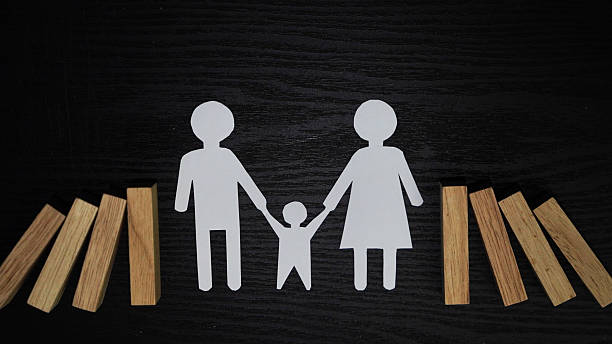
Have you ever felt like your family keeps repeating the same painful fights? Maybe you notice that when one person gets upset, everyone else shuts down or explodes. These patterns might not be random. They could be signs of old trauma that is still living inside your family. Trauma is not just a bad memory. It changes how our brains and bodies respond to stress. And when one person in a family has been through trauma, the whole family can start to act in ways that keep everyone stuck. The good news is that you can learn to spot these patterns and start healing them together.
First, let’s talk about what trauma looks like in a family. Trauma can come from big events like a car accident, abuse, or losing a loved one. But it can also come from smaller, repeated things like growing up with a parent who was always stressed or angry, or being ignored when you needed help. In a family, trauma often shows up as patterns. For example, maybe one person is always the “fixer” who tries to make everyone happy, while another person is the “avoider” who walks away from conflict. Or maybe your family has a rule like “Don’t talk about feelings” or “Everyone must be perfect.“ These are often ways your family learned to survive difficult times. But these survival skills can end up causing more pain.
One common pattern in trauma-informed family practice is called “re-enactment.“ This is when family members unconsciously act out the old trauma again and again. For instance, if a parent grew up with a very harsh critic, they might become overly critical of their own child without meaning to. The child then feels the same shame the parent once felt. The family keeps playing the same old movie, but nobody realizes they are doing it. Another pattern is “emotional flooding.“ When someone in the family gets triggered by something small like a tone of voice or a word, they might suddenly feel huge anger or fear. This is because their brain remembers the old trauma and reacts as if it is happening right now. The rest of the family might get confused or scared, and things can spiral.
So how do you start healing these patterns? The first step is to notice them without blaming anyone. Your family did not create these patterns on purpose. They were trying to protect themselves. Try to point out the pattern in a gentle way. You might say something like, “I notice that every time we talk about money, Mom starts to cry and Dad leaves the room. I wonder if there is something painful from the past we haven’t talked about.“ This is a big move. It takes courage to look at the hurt, but it is the only way to stop the cycle.
The next step is to create a “safe enough” space to talk. That does not mean everyone has to share everything. It means the family agrees to listen without getting defensive or trying to fix things. One helpful skill is to use “I feel” statements instead of “You always” statements. For example, “I feel scared when the room gets quiet” instead of “You are always ignoring me.“ In trauma-informed family practice, we also teach families to slow down. When someone gets triggered, take a pause. Breathe. Tell yourself, “This feeling is from the past. The present is different. I can handle this.“ Then come back to the conversation when everyone is calmer.
Another powerful thing is to rewrite the story together. Your family’s trauma story might be one of pain, but you can also create a new story of healing. Maybe you start a new tradition like a weekly check-in where everyone shares one feeling and one hope. Or you agree that when someone says “I need a break,“ everyone respects that without asking questions. Small changes like this can build trust over time. It is also okay to get help from a therapist who understands trauma. A good family therapist can help you see patterns you missed and teach you tools to communicate better.
Healing family trauma is not about erasing the past. It is about learning to live with it in a way that does not control your present. You might not be able to change what happened years ago, but you can change how you react today. Every time you notice a pattern and choose a different response, you are breaking the cycle. You are telling your family that there is a new way to be. You are saying that love does not have to be tangled up with pain. It is hard work, but it is some of the most important work you will ever do. And you do not have to do it perfectly. You just have to start.