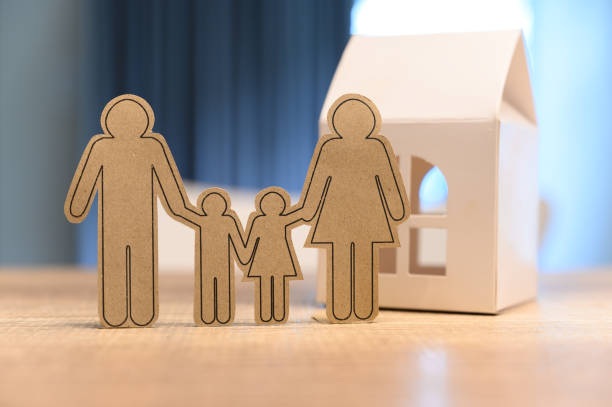
Imagine a mobile hanging over a baby’s crib. It has stars and moons and little animals. If you touch one piece, the whole mobile moves. Families can feel like that too. When one person is happy, sad, worried, or angry, everyone else feels it. When one person changes, the whole family starts to shift. That is the heart of family systems theory. It is a big name for a simple idea: a family is not just a bunch of separate people. It is a group that moves together.
In marriage and family therapy, this idea is very important. It helps therapists stop asking, “What is wrong with this one person?“ and start asking, “What is happening between these people?“ That question changes everything. It takes away blame. It helps everyone see the patterns they are stuck in. A pattern is just something that happens again and again. Maybe every time one person gets quiet, another person gets louder. The pattern is not one person’s fault. It is a dance the whole family does together.
Think about a teen who stops talking at dinner. Mom asks question after question. Dad tells Mom to back off. Mom feels alone. The teen feels pressured and pulls away more. The sister feels ignored and starts acting out. Now the whole house is tense. The teen’s silence is not only about the teen. It is part of a circle. Each person’s action makes the next person’s action more likely. Then the circle goes around again.
Families also give each other roles. No one sits down and says, “You will be the peacemaker. You will be the clown. You will be the responsible one.“ It just happens. The peacemaker keeps everyone calm. The clown makes people laugh when things get hard. The responsible one remembers birthdays and pays bills. These roles can be helpful. They can also become tight cages. The peacemaker may never get to say, “I am tired.“ The clown may hide deep sadness. The responsible one may never ask for help. In family systems work, people learn to see these roles. Then they can try small new moves. Maybe the clown says something real. Maybe the peacemaker takes a break. The family may feel weird at first. That is normal. New steps in a dance always feel strange.
Every family also has rules. Some are spoken, like call if you will be late. Some are unspoken, like do not talk about feelings or do not make Dad angry. Unspoken rules are powerful because people follow them without even knowing. Family systems work looks at these rules with care. It is not about shaming anyone. It is about asking, “Does this rule help us? Does it hurt us? Can we make a better rule together?“
Communication is another big piece. Who talks the most? Who listens? Who gets interrupted? Who smooths things over? Who gets left out? Maybe Mom always asks Dad to talk to their son because Dad stays calm. That works for a while. But soon Dad is the only bridge. If Dad is tired or away, the bridge breaks. The family needs more bridges. A therapist can help family members build them. They practice listening without jumping in. They practice saying what they need in a clear, kind way.
The hopeful part of family systems theory is this: change in one part can change the whole. If one person learns to say, “I feel hurt,“ instead of slamming a door, others may respond in a new way. The family is a system. When one piece moves, the mobile moves. That means you do not have to wait for everyone else to change first. You can start with one small, honest step. A marriage and family therapist can help you find that step and practice it safely.
If you are thinking about a career in marriage and family therapy, family systems basics are a great place to start. You will learn to see the whole picture. You will help couples, parents, kids, and extended family. You will not fix people. You will help them find new ways to be together. Families are complex. But simple ideas can still bring real hope.