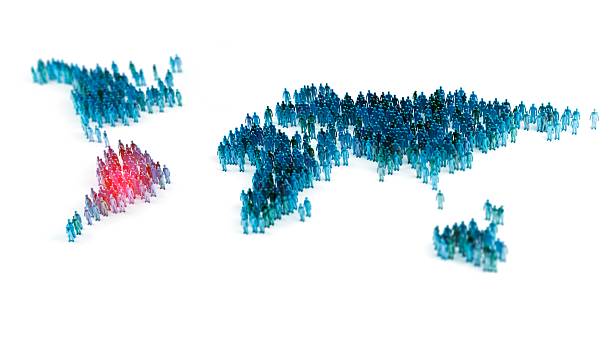
When you hear about social work, you might picture someone sitting with a family in a tough moment. That kind of help matters a lot. But there is another side of social work that looks at the whole neighborhood, the whole school, or the whole state. It asks, Why are so many people having the same problem? And what can we change so fewer people need help in the first place? This is often called macro social work. Macro just means big. Instead of working with one person at a time, you work on the big picture.
Imagine a city where many families cannot find a safe place to live. A direct helper might work with one family to find an apartment. That is important. A big-picture social worker might ask why there are so few affordable homes. They might talk with renters, landlords, city leaders, and local groups. They might help write a plan to build more homes or change a rule that makes rent too high. They are not doing this alone. They are bringing people together to solve a problem that affects thousands.
Macro social work can happen in many places. You could work for a group that helps kids after school. You could work in a government office that makes rules about health care. You could help a faith group start a food pantry. You could work at a college and study why some students drop out. You could lead a team that helps people recover after a flood or fire. The job title might be community organizer, program leader, researcher, or director. The daily tasks change, but the goal is the same: make the big picture better for everyone.
One key part of this work is listening. It can be tempting to think you know what a community needs. But good macro social workers ask first. They go to meetings. They knock on doors. They sit in coffee shops and listen. They learn what people are worried about. They learn what has worked before. They learn who is already doing good work. Then they help connect the dots. When people feel heard, they are more likely to join in and help make change happen.
Another key part is speaking up. Sometimes the problem is not that people don’t care. It is that the rules are unfair or outdated. Maybe a school rule punishes kids who are late because they have to take care of younger siblings. Maybe a health rule makes it hard for people to get help in their own language. Maybe a city budget cuts money for mental health services. A macro social worker can gather facts, share stories, and ask leaders to do better. They can help people write letters, speak at public meetings, or vote. They can also help groups work together so their voices are louder.
This work is not always fast. Changing a rule or starting a new program can take months or years. You might have a meeting where nothing seems to happen. You might hear “no” many times. But small steps add up. A new bus route can help people get to work. A new law can protect families from losing their homes. A new training program can help more people become counselors. Each win can make life better for many people at once.
If you like thinking about the big picture, macro social work might be a good fit. You don’t need to be a superhero. You need to care about people, listen well, and be willing to work with others. You need to be patient and curious. You need to ask hard questions and look for answers. You can start small. Join a club that helps the community. Volunteer for a group that speaks up for kids or older adults. Go to a city meeting and see how decisions get made. Talk to people who do this work. Ask them what a normal day looks like.
The world has many big problems. No one can fix them alone. But groups of people can change rules, build programs, and shape the way things work. That is the heart of big-picture social work. It is about helping not just one person today, but making life better for whole communities tomorrow.