You ever watch a little kid building a tower with blocks, then knock it down and laugh? Or see them pretend a stuffed animal is a scared puppy that needs a hug? For children, play is their way of talking. They might not have the words to say, “I’m worried about my parents fighting,” or “I feel lonely after my best friend moved away.” But they can show you through play. That’s where play therapy comes in. It’s a special kind of therapy where trained counselors use toys, games, art, and imagination to help kids work through tough feelings, get through scary events, and learn to handle their emotions.
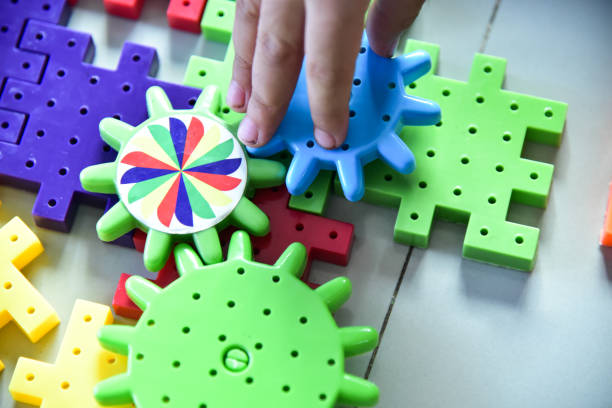
So what exactly is play therapy? It’s not just letting a kid play while an adult watches. A play therapist is like a guide. They set up a safe room with lots of toys: dolls, action figures, crayons, sandboxes, puppets, dress-up clothes, maybe a small kitchen set. Everything is chosen carefully so kids can act out their world. For example, a child who saw a car accident might crash toy cars together over and over. A kid whose parents are getting a divorce might make two doll families live in separate houses. The therapist watches and sometimes joins in gently, asking simple questions like, “What is that doll feeling right now?” or “What happens next?” Slowly, the child starts to understand their own feelings and find ways to cope.
Why does play work so well for kids? Think about it. When you’re seven years old, you don’t have the brain power to sit on a couch and explain your problems like an adult. Your main language is play. Your feelings come out through actions. So play therapy meets children right where they are. It feels natural, not scary. Kids often think they’re just having fun, but underneath they are healing. They learn to trust the therapist, which is a huge deal. Many children who have been through trauma or abuse have trouble trusting grown-ups. But when a therapist gets down on the floor and plays with them, the child starts to feel safe.
Play therapy can help with so many things. Kids dealing with anxiety, depression, anger, grief, ADHD, autism, or family changes like a new baby or a move often benefit. It’s also great for children who have been through scary events like a hospital stay, a natural disaster, or bullying. The therapist might use a sand tray where the child picks tiny figures to make a world. Or they might draw pictures and tell stories about them. Sometimes they use a game like Jenga to talk about what makes them feel wobbly inside. Everything is designed to let the child lead, because when a kid feels in control, they can open up.
If you are thinking about a career in therapy and you love working with kids, becoming a play therapist could be an amazing path. You don’t need to be a child to understand play – you just need to be patient, kind, and willing to see the world through a child’s eyes. To become a play therapist, you usually get a master’s degree in counseling, social work, or psychology. Then you take extra classes and get supervised training in play therapy. After that, you can earn a credential like Registered Play Therapist (RPT). It’s extra work, but it is so rewarding.
Imagine walking into a room every day where your job is to help a shy boy find his voice with a puppet, or help a sad girl paint her feelings. You get to be the person who makes a child feel heard for the first time. That is powerful. And you don’t have to be perfect. Kids don’t need a perfect therapist. They need someone who is real, who will sit with them in the messy feelings, and who believes in the healing power of play.
So if you feel called to help kids, don’t ignore that pull. The world needs more people who understand that a child’s play is serious work. It’s how they grow, how they heal, and how they learn to be strong. You can be the one who walks alongside them. All it takes is a little training, a lot of heart, and willingness to get down on the floor and play.