Have you ever felt like you were stuck in the middle of a fight between two people you care about? Maybe your mom and dad are arguing, and you find yourself trying to calm them down. Or your sister and brother are fighting, and you end up taking sides. If that sounds familiar, you have experienced something called an emotional triangle. It is a big idea in family systems theory, which is just a fancy way of saying how everyone in a family affects each other. Let me explain it in a simple, friendly way.
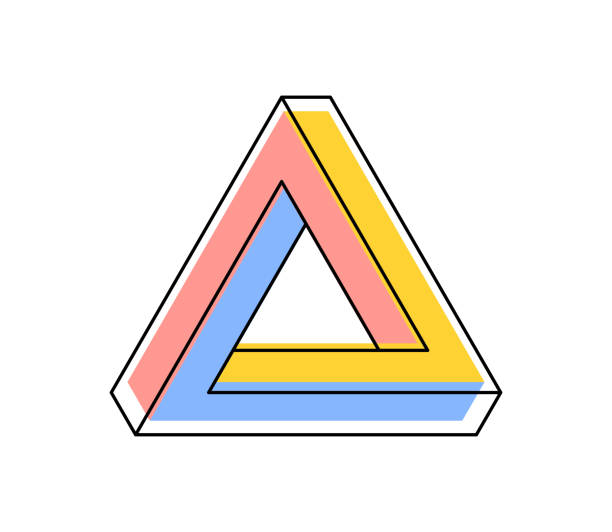
Imagine a family is like a mobile hanging from the ceiling. If you touch one piece, the whole thing moves. That is how families work. When two people have tension between them, it can feel really uncomfortable. So instead of dealing with that tension directly, they pull in a third person to help carry the weight. That third person might be a spouse, a child, a parent, or even a friend. That is the emotional triangle. It happens all the time, mostly without anyone even realizing it.
Let me give you an example. Say your parents are stressed about money. They start snapping at each other. Neither of them wants to talk about the money problem because it is scary and hard. So one of them turns to you and says, “Can you believe how much your dad spends on tools?” Now you are in the triangle. You might feel like you have to pick a side. You might try to make peace by saying, “He’s just trying to fix things around the house.” Or you might get angry and say, “Yeah, he’s so wasteful.” Either way, you are now part of the tension. Your presence helps your parents avoid talking directly to each other about their money fears.
Why do we do this? Because direct conflict feels dangerous. Our brains are wired to avoid danger. When a relationship feels shaky, pulling in a third person can make it feel more stable. It is like adding a third leg to a wobbly table. But the problem is, triangles often make things worse in the long run. The original problem never gets solved. And the third person, especially if they are a child, can feel stressed, confused, or even guilty. Kids might think it is their fault their parents are fighting. That is a heavy load for a little heart to carry.
Triangles can show up in all kinds of ways. In a marriage, a husband might complain about his wife to his best friend instead of talking to her. In a parent-child relationship, a mom might share her worries about her teenager with her own mother, and then grandma gets involved. In a workplace, a boss might gossip about another employee with you. Always, the triangle is a way to release pressure without facing the real issue.
The good news is, once you understand triangles, you can start doing something about them. The goal is not to avoid all triangles—they are part of being human. But you can learn to step out of them. Here is how. First, notice when you feel like the middle person. Are you getting pulled into a disagreement that is not really yours? If so, take a breath. You can say something kind like, “I care about both of you, but I think you two need to talk this out directly.” That is brave and honest. If you are the one creating a triangle, you can try the same thing. Instead of complaining to a third person, go directly to the person you have an issue with. It feels scary, but it is the only way to really fix things.
Sometimes families get stuck in triangles for years. A classic one is when a child becomes the “problem” to distract parents from their own issues. The parents focus on the child’s bad grades or attitude, and that keeps them from facing their own sadness or anger. That child might act out even more because they feel the pressure. Breaking that triangle means the parents have to look at their own relationship and talk about what is really bothering them.
It is also important to know that triangles are not always bad. Sometimes a third person can help calm things down in a healthy way. A therapist, for example, is a professional third person who can help two people talk without taking sides. A wise friend might ask good questions to help you see your part in a conflict. The key is whether the triangle helps people solve their problems or just keeps them stuck.
If you are thinking about becoming a marriage and family therapist, understanding triangles is a huge part of what you will learn. You will help families see these patterns and find healthier ways to connect. You will teach people how to talk directly, how to manage their own anxiety, and how to support each other without getting tangled up. It is powerful work.
Remember, every family has triangles. They are not a sign that something is wrong with you. They are just how humans cope with stress. But when you learn to recognize them, you can choose a different path. You can bring more peace and honesty into the relationships that matter most. And that is a beautiful thing.