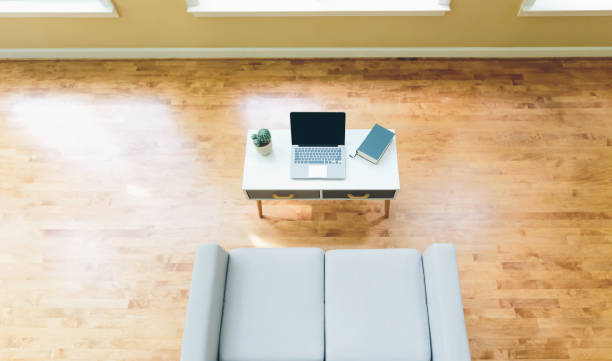
Let me tell you something I wish someone had told me when I first started doing therapy from my dining room table. Your home office matters way more than you think. When you are a telehealth therapist, your clients see you in your space, and that space can either help them feel safe or make them feel distracted. The good news is you do not need a fancy setup or a ton of money. You just need a few smart choices.
First, think about where you will sit. You want a spot that is quiet, private, and has good light. Natural light is the best because it makes you look warm and real on camera. But do not sit with a window right behind you. That will make your face look dark and shadowy. Instead, put the window in front of you or off to the side. If you do not have a window, get a decent ring light or a desk lamp with a soft bulb. You want your face to be easy to see, not harsh or scary.
Now, what about the background? Your background says a lot about you without you saying a word. A plain wall is fine. A bookshelf is even better, but make sure it is not messy. You do not need to hide everything. A few personal touches like a plant or a small photo can make you feel more human. But stay away from things that are too busy or distracting. No spinning ceiling fans behind your head, no bright posters, and please no laundry pile peeking in the corner. Your clients are coming to you for help, not to guess what is on your desk.
Sound is another big deal. You might live in a loud house. That is okay. You can get a cheap foam microphone cover or just use a quiet room. Close the door. Put a towel at the bottom if you need to. Let your family or roommates know that when that door is shut, you are working. If you have a dog that barks at the mailman, maybe put the dog in another room with a treat. You can also use noise canceling headphones, but only if they do not make you look like you are in a call center. Be honest with your clients. If a siren goes by, just say, “Hold on a second, that is loud,” and wait. They will understand. They are human too.
Comfort is huge because you could be sitting for hours. Get a good chair if you can. Your kitchen chair might work for one session, but after three sessions your back will hate you. Even a simple office chair from a used store can make a difference. And keep a glass of water nearby. Your voice will get tired from talking all day. A little throat coat tea or plain water helps.
Now, the professional side of things. You need good internet. Nothing breaks trust faster than freezing mid sentence. If your Wi-Fi is spotty, plug your computer directly into the router with a cable. It is cheap and it works. Also, have a backup plan. What if your power goes out? Tell your clients ahead of time that if you drop off, you will try to call them on the phone. Keep your phone charged and nearby.
You also need to think about privacy. You cannot have people walking in. Put a sign on the door that says “Session in Progress” or something similar. And do not forget about your own privacy. When your session is over, close your laptop. Do not leave client notes open on the screen. Your family does not need to see that stuff.
Finally, make the space feel like yours. Light a candle or put a little essential oil diffuser with a calming scent. But do not go too strong. You want the room to feel safe for you too. You are doing important work and you deserve a spot that feels good. Over time, your clients will feel that comfort through the screen. They will notice that you are calm, that you are present, and that you are not distracted by mess or noise.
Remember, you do not have to get everything perfect on day one. Start with the basics: a quiet, private spot, good light, decent internet, and a chair that does not hurt. Adjust as you go. Your home therapy space can grow with you. And when you feel comfortable in your own little office, your clients will feel comfortable too. That is the whole point.