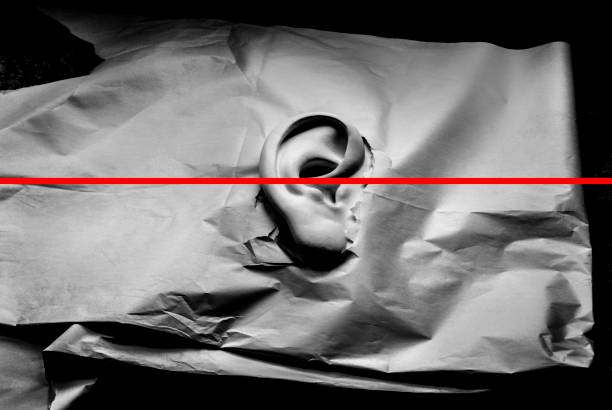
You might think addiction counseling is all about telling people what to do. Giving advice. Handing out rules. But the truth is, the most important thing an addiction counselor does is something much simpler. They listen. Really listen. That might sound easy, but it is one of the hardest and most powerful skills in the world. When someone is trapped in addiction, they have often been judged, yelled at, or ignored for a long time. They might feel like no one understands them. An addiction counselor changes that by being the one person who hears them without judging.
I have seen this happen in real life. A friend of mine was struggling with alcohol. He had lost his job, his wife left, and he felt completely alone. He went to a counselor not because he wanted to, but because his family made him. He sat in that chair with his arms crossed, expecting to be lectured. Instead, the counselor just asked him, “Tell me about your day.” And then she sat quietly and listened. She did not interrupt. She did not tell him he was wrong. She just nodded and looked at him with kind eyes. After about twenty minutes, my friend started crying. He said later that nobody had ever let him talk like that. That was the beginning of his recovery. That is what addiction counselors do every day. They give people a safe place to tell their story.
Building trust takes time. You cannot rush it. When someone is in the grip of addiction, they have often lied to themselves and to others. They have been hurt. They have hurt people they love. Trusting a stranger feels scary. A good counselor knows this. So they start small. They ask about simple things. “How are you feeling right now?” “What did you eat for breakfast?” “What music do you like?” These questions might seem silly, but they are like building blocks. Each block makes the wall of trust a little stronger.
Once trust is there, real change can happen. The person feels safe enough to talk about the hard stuff. The shame. The fear. The memories of things they did while using. An addiction counselor does not flinch. They stay calm and steady. They say things like, “That sounds really painful. Thank you for sharing that with me.” And when the person hears that kind of response, they start to believe that they are not a bad person. They are just a person with a problem, and problems can be fixed.
Addiction counseling saves lives because it gives people hope. Hope is not some big, fancy idea. It is a tiny feeling that maybe, just maybe, tomorrow could be better. A counselor plants that little seed by being there week after week. They do not give up, even when the person relapses. They say, “Okay, that happened. Let’s figure out what we can learn from it.” That kind of steady, caring attention is what helps people climb out of the deep hole of addiction.
For anyone thinking about becoming an addiction counselor, know this: you do not need a perfect life or all the answers. You just need to be a good listener who cares. You will get training. You will learn about how addiction works in the brain and how to help people cope with cravings. But the biggest thing you bring is your heart. Every time you sit down with someone and look them in the eye, you are saying, “You matter. Your story matters. I am here for the long haul.”
That is why this career is so special. You get to watch people change. You see someone who could not stop drinking start to make plans for their future. You see a person who thought they were worthless start to smile again. It is not always easy. Some days are hard. People fall back. They might get angry at you. But you stick with them because you know that healing is not a straight line. It is a messy, beautiful journey.
If you are thinking about a career where you can truly help people, addiction counseling might be for you. It does not require a fancy degree in a big school. Many programs are flexible and affordable. You can start with a certificate or an associate’s degree. And the job outlook is strong because there are so many people who need help. But more than that, it is a job that fills your heart. You go home at night knowing you made a difference. You did not just listen – you gave someone a reason to live.
So take that first step. Learn to listen. And you might just save a life.