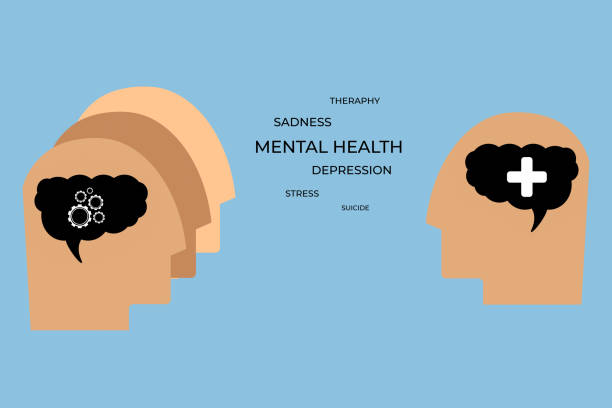
Imagine walking into a big hospital every single day. The hallways are busy. You hear beeping machines and people talking. You smell coffee and cleaning supplies. You see doctors and nurses rushing around. And then you see the patients. They are sitting in their rooms or waiting in chairs. Many of them look worried or scared. That is where you come in. You are a therapist. Your job is to help them feel better on the inside.
When you work in a hospital or medical center, you are part of a huge team. You work with doctors, nurses, social workers, and other staff. Everyone wants the patient to get well. But you focus on their feelings and their mind. You help people who are going through very hard times. Maybe someone just found out they have a serious sickness. Maybe a person is about to have a big surgery and they are terrified. Maybe a family just lost a loved one in the emergency room. You are the person who sits with them and listens. You help them talk about what is going on in their head and their heart.
You might work in different parts of the hospital. One day you are in the cancer center. You meet a woman who is starting chemo. She is worried about losing her hair or feeling sick. You help her find ways to cope. You teach her breathing exercises or ways to talk to her family. Another day you are in the children’s ward. A little boy is scared of getting a shot. You use toys and games to help him calm down. Then you go to the intensive care unit. A family is waiting for news about their dad. You sit with them and just let them cry. You do not need to say much. Just being there helps.
Some hospitals have a special floor for people with mental health problems. You might work there too. You help people who are very sad or very worried. You teach them skills to handle their feelings. You also watch for signs that they might hurt themselves. It is serious work, but you have a team to back you up.
Working in a hospital is not a boring job. Every day is different. You meet all kinds of people. Old people, young people, people from different countries. Every person has their own story. Some stories are very sad. You will cry sometimes. That is okay. It means you care. But there are also happy moments. Like when a patient who was very depressed finally smiles. Or when a family member hugs you and says thank you. Those moments fill your heart.
You need a degree to do this job. That is why you are looking at this website. You will study things like how people think and feel. You will learn how to talk to people in crisis. After you graduate, you need to get a license. Each state has its own test. But once you pass, you can apply for jobs. Most hospitals want you to have some experience first. You can volunteer at a hospital while you are in school. Or you can do an internship. That helps you learn the ropes.
The hours can be different. Some therapists work Monday through Friday, nine to five. Others need to work nights or weekends because hospitals are open all the time. You might get to pick a schedule that works for you. The pay is steady. Hospital jobs usually have good benefits like health insurance and paid time off. You can support yourself while doing work that matters.
One thing to know is that this job can be hard on your own feelings. You hear a lot of pain. You have to take care of yourself. Good hospitals know this. They offer support for their staff. You can talk to other therapists. You can take breaks. You should also have fun outside of work. Go for a walk, hang out with friends, or watch a silly movie. That keeps you strong.
You can also choose a special area. Maybe you love working with kids. You can work in a children’s hospital. Maybe you like helping older people. You can work in a geriatric unit. Maybe you are interested in addiction. Hospitals have detox programs. There is a path for you no matter what you like best.
In the end, working in a hospital as a therapist is about being there for people when they need it most. You do not fix everything. You do not have a magic wand. But you listen. You care. You help people find hope even in hard times. That is a beautiful thing. After you graduate, you can step into a hospital and start making that difference. It is a career that matters every single day.