So you want to become a therapist or a counselor. That is a big, wonderful goal. You probably already know you need a degree. But did you know that almost every therapy program also asks you to complete something called clinical hours? These are real practice sessions where you help people who are dealing with problems, under the watchful eye of a supervisor. In the past, you always had to do these hours in a physical office or clinic. But now there is a new way: virtual clinical hours. This means you can get your training right from your own home. Let me explain how that works and why it can actually prepare you just as well, if not better, for the real world of helping others.
First, let’s talk about what clinical hours really are. Imagine you are learning to drive a car. You can read the manual and watch videos, but you still need to get behind the wheel and drive with an instructor beside you. Clinical hours are the same for therapy. You learn all the theories in class, but then you need to sit with a real person who is hurting, scared, or confused. You practice listening, asking good questions, and offering support. Your supervisor watches you (in person or on a screen) and gives you feedback. This is how you become a skilled helper, not just someone who has read a lot of books.
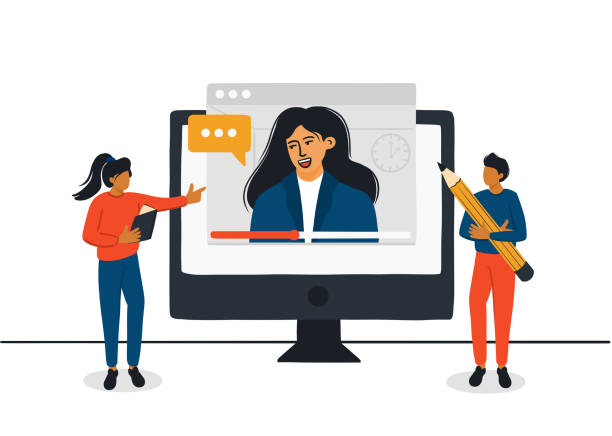
Now, virtual clinical hours are exactly that, but done through video calls. You connect with a client or a practice client using a secure online platform. A supervisor also watches the session through a separate feed or joins at the end to talk with you. You might also do role-plays with a fellow student who pretends to be a client. Some programs even use actors or computer simulations that act like real people. The point is, you are still doing the work. You are still learning how to handle tough moments, like when someone cries or gets angry or doesn’t know what to say.
One big benefit of doing clinical hours online is flexibility. You can schedule sessions when it works for you, without having to drive across town to a clinic. If you have a job or kids at home, that makes a huge difference. You also get to practice in the same kind of setting where a lot of real therapy is happening these days. Many counselors now meet with clients online because it is easier for them to get help. So by training online, you are already learning the skills you will need for a growing part of the field.
Another benefit is that you can focus on learning without the extra pressure of a busy office. In a physical clinic, there might be noise, other people walking around, or a phone ringing. That can be distracting when you are trying to listen carefully. At home, you can create a quiet, comfortable space where you feel safe to make mistakes and ask questions. And yes, you will make mistakes. That is how you learn. In a virtual setting, it can feel less scary to mess up because you are in your own space. Your supervisor can pause the video and talk through what happened, step by step.
Some people worry that virtual hours are not as real or valuable as in-person ones. But think about it this way. When you talk to a friend on a video call, are you really connecting with them? Yes, you are. You can see their face, hear their voice, and feel their emotions. It is the same in therapy. The most important part is the relationship between the helper and the person being helped. That relationship can happen on a screen just as well as in a room. What matters is your heart, your listening skills, and your willingness to learn.
Many programs now combine virtual hours with a small amount of in-person work. For example, you might do most of your practice online, but go to a local clinic for a few sessions just to see how it feels in person. That mix gives you the best of both worlds. You get the convenience of online training and the hands-on experience of walking into a real office.
If you are thinking about starting a career in therapy, do not let the idea of clinical hours scare you. They are not a test you have to pass perfectly. They are a time to grow. And thanks to virtual options, you can do that growing from the comfort of your own home, on a schedule that fits your life. You will learn to handle real conversations, build trust with people, and become the kind of helper you want to be. So go ahead and explore programs that offer virtual clinical hours. Your future clients are waiting for someone just like you.