You might be thinking about becoming a therapist, or maybe you are already working in the mental health field and want to switch to online work. Either way, there is one thing that surprises almost everyone who starts doing therapy online. It is not the fancy software. It is not the expensive subscription. It is your webcam and the lights in your room. I know, it sounds boring. But trust me, if you get this one little thing right, the rest of training will feel a whole lot easier. Let me explain why.
When you meet a client face to face in an office, they can see all of you. They can see your face, your hands, the way you lean forward when you are really listening. They can tell you care just by the look in your eyes. Online therapy is different. The only window they have into you is a small rectangle on their screen. If that rectangle is dark, fuzzy, or shaky, their brain has to work extra hard just to see you. And when a client is already feeling anxious, depressed, or scared, the last thing they need is extra work just to feel connected to you.
Think of your webcam like a handshake. A good, clear picture is like a firm, warm handshake. It tells the client you are there, you are ready, and you are paying attention. A bad webcam with grainy video is like a sweaty, limp handshake. It makes the client feel unsure. They might not even know why, but something feels off. That is why, in your telehealth training, the very first tool you should get comfortable with is your camera. You do not need the most expensive model out there. You just need one that shows your face clearly and keeps you steady.
Now, let me talk about lighting. This is the part that most people skip, and it is the reason so many new online therapists look tired or angry when they are actually just sitting in a dim room. Have you ever been on a video call and seen someone whose face is half in shadow? They look like they are telling a scary story, even if they are just talking about their weekend. That happens because the light is behind them or above them, casting shadows on their eyes and mouth. Your clients read your emotions through your eyes and your mouth. If those are hidden in shadow, they will struggle to trust what you are saying.
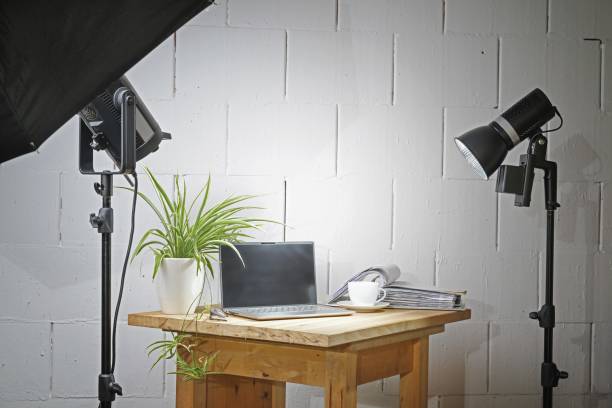
The fix is simple. Place your light source in front of you, not behind you. A window works great if it is daytime. Sit facing the window, not with your back to it. If it is nighttime or your room does not have good natural light, get a cheap desk lamp and put it on your desk, off to one side, a little above eye level. Point it toward your face, but not directly in your eyes. You want a soft, even glow that lights up your whole face. No harsh shadows. No dark circles. Just a friendly, open look that says, “I am here for you.“
During your telehealth training, you will probably be told to practice mock sessions with a friend or a classmate. Do not just practice the words you will say. Practice setting up your camera and lights. Ask your practice partner, “Can you see my face clearly? Does my expression match what I am feeling?“ You might be surprised how different a calm statement sounds when your face is lost in shadow. Training yourself to check your video setup before every session becomes a habit. It takes maybe thirty seconds, but it makes a huge difference in how your clients experience you.
Another reason this matters is that many people who seek online therapy are already worried about technology. They might be older, or they might not have used video calls much. If your video is fuzzy or your face is dark, it makes them more nervous. They might think, “Oh no, this is not going to work.“ You want them to feel relaxed and confident that you know what you are doing. A clean, bright video tells them you are professional and in control. It builds trust before you even say hello.
Finally, remember that your own comfort counts too. When your lighting is good, you can actually see your client better. You can notice a small frown or a tear starting to form. That helps you respond in the moment. Also, you will feel less self-conscious. You will not be worrying about how you look. You can focus entirely on the person in front of you. That is the whole point of therapy anyway.
So, if you are just starting your degree or looking at online degree options, do not overlook the simple stuff. A decent webcam and a little attention to lighting are not expensive, and they are not hard to learn. But they are the foundation of good telehealth skills. Practice them early. Make them a habit. Your future clients will thank you, even if they never know why your video made them feel so safe.