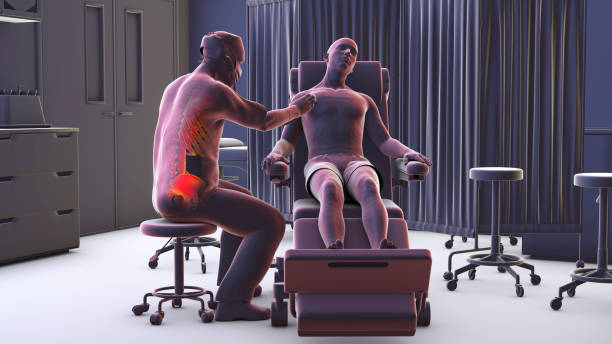
So you want to become a therapist. Maybe you have been thinking about it for a while. Or maybe you just started looking into it and feel excited but a little scared. One of the biggest worries people have when they sign up for an online degree in therapy is how they will get their clinical hours. You know, the hands-on practice where you actually talk to real people and help them work through their problems. For a long time, people thought you had to drive to a clinic, sit in an office, and meet with clients face-to-face. But guess what? That is changing fast. Now you can complete many of your clinical hours right from your own home using a computer and a good internet connection. And I want to walk you through how that works, why it is a great option, and what you should look for.
First, let me explain what I mean by virtual clinical hours. When you study to become a therapist, your school will require you to practice what you learn. You need to log a certain number of hours actually working with clients under the supervision of a licensed therapist. In the past, that meant showing up at a physical location. Today, many programs let you do that work through video calls. You meet with clients over a secure platform, just like you would on Zoom or FaceTime, but with extra privacy rules. You can sit in your own room, in your own clothes, and still get the real experience of helping someone. Your supervisor watches your sessions, usually recorded or live, and gives you feedback. It feels surprisingly real, and many clients actually prefer it because they do not have to drive anywhere either.
But here is the thing you need to know. Not every online degree program offers virtual clinical hours in the same way. Some schools have partnerships with telehealth clinics that set you up with clients. Others let you find your own placement and then approve a virtual setup. And some programs use something called simulated clients. That is when you practice with actors or trained role-players who pretend to have real problems. It might sound fake, but it is actually a very safe way to learn. You can make mistakes, ask silly questions, and try again without hurting anyone. Many students say simulated clients helped them feel ready for the real thing.
Another cool option is group supervision done online. Instead of driving to a weekly meeting with other trainees, you join a video call. You watch each other’s recorded sessions and talk about what worked and what did not. This is a fantastic way to learn because you get to see lots of different situations. You also build a community with other people who are just as nervous and excited as you are. I have talked to many students who said their online supervision group became their best support system during the tough parts of training.
Now, you might be wondering if virtual clinical hours count the same as in-person hours. The answer is yes, as long as your state and your school approve them. Most licensing boards now accept virtual hours because telehealth has become so common. After the pandemic, almost every state updated their rules. You should still check with your specific program and your state’s licensing board to make sure you are on the right track. But in general, you do not have to worry. Thousands of therapists have already become licensed through virtual clinical hours.
I want to give you a real example. Imagine you are working with a client who lives in a rural area and cannot find a therapist nearby. Through your virtual clinical hours, you can help that person from across the state. You learn how to read body language on a screen, how to build trust without a handshake, and how to handle technical glitches without losing your cool. These are real skills that will make you a better therapist in any setting. Plus, you save money on gas and time on commuting. That means you can focus more on learning and less on driving.
One last thing to think about. Virtual clinical hours are not for everyone. Some people really need the energy of an in-person room. That is totally fine. But if you are a person who learns well on your own, who likes technology, and who wants flexibility in your schedule, virtual options can be a perfect fit. You can do your hours in the evening after your kids go to bed or early in the morning before work. You can choose a placement that matches your interests, like working with kids, couples, or people with anxiety. The possibilities are wide open.
So do not let the fear of clinical hours stop you from pursuing your dream. Online degree programs have come a long way, and virtual clinical hours are a proven, real, and respectable path. You can become a therapist from your own living room. And the people you help will be grateful that you did.