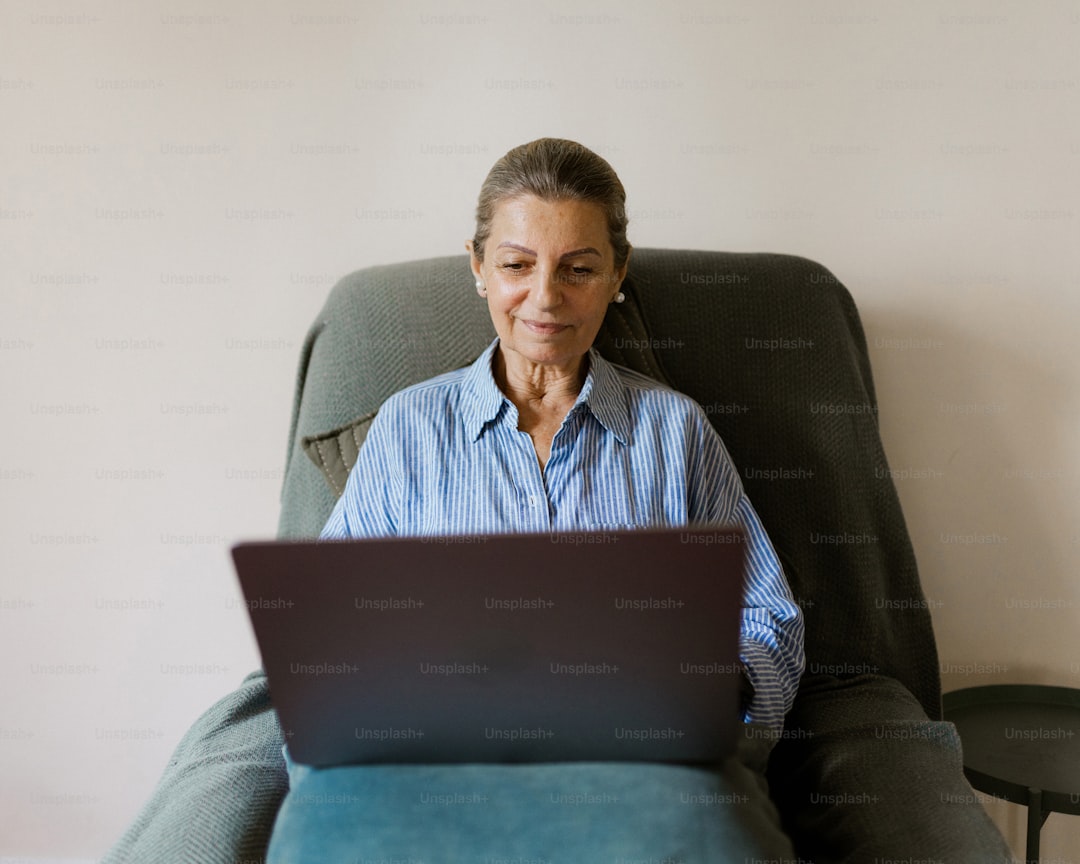
The traditional image of a clinical visit—the sterile room, the paper gown, the stethoscope—has been joined by a new paradigm: the virtual clinical hour. This digital encounter, conducted via secure video platforms, is far more than a simple video call; it is a structured, nuanced, and deeply interactive process that replicates, and in some ways transforms, the core elements of in-person care. What unfolds during these sixty minutes is a carefully orchestrated dance of assessment, communication, and collaboration, bridging physical distance through technological and human connection.
The hour typically begins with a period of digital preparation and connection. Prior to the visit, patients often complete intake forms electronically and may be instructed on how to use specific features, like sharing vital signs from home monitoring devices. As the session initiates, the first few minutes are dedicated to establishing a therapeutic rapport. Clinician and patient navigate the occasional technical hiccup—a muted microphone, a pixelated image—with a shared understanding that this is the new frontier. This phase is crucial for building trust, as the clinician works to convey presence and attentiveness through the screen, maintaining eye contact with the camera and using verbal cues to compensate for the limited physical cues.
The heart of the virtual hour is the clinical interview and assessment. The provider guides the conversation to understand the patient’s chief complaint, reviewing symptoms, their duration, and their impact. The art of observation takes on a different form; a clinician might ask a patient to move the camera to show a rash, demonstrate a joint’s range of motion, or even walk across the room to assess gait. They listen intently to the patient’s description of symptoms, asking probing questions to compensate for the inability to palpate or percuss. For chronic condition management, such as diabetes or hypertension, the discussion revolves around reviewing logged data, medication adherence, and lifestyle factors. The provider synthesizes this auditory and visual information, much like a detective piecing together clues, to form a clinical impression.
A significant portion of the hour is then devoted to collaborative decision-making and patient education. The provider explains their assessment, discusses potential diagnoses, and outlines a treatment plan. This may involve electronic prescribing of medications, ordering laboratory tests at a local facility, or recommending physical therapy. The virtual platform becomes a shared space for education; the clinician can share their screen to display anatomical diagrams, review educational materials, or even walk through a new inhaler technique using a demonstrator. The patient is an active participant, encouraged to ask questions and express concerns, ensuring they leave the encounter with a clear understanding of their health path forward.
The session concludes with a plan for continuity of care. This includes scheduling follow-up virtual or in-person appointments as clinically appropriate, providing clear instructions on what symptoms should prompt an immediate in-person evaluation, and confirming the patient knows how to access their after-visit summary and medical records through the patient portal. The final moments reaffirm the patient-provider relationship, emphasizing that care continues beyond the digital disconnect.
Ultimately, a virtual clinical hour is a focused, patient-centered exchange that leverages technology to deliver accessible care. It is not a diminished substitute but a distinct modality with its own rhythms and strengths. While it cannot replace hands-on physical exams for all conditions, it successfully manages a vast array of healthcare needs, from routine follow-ups to complex chronic disease management. It demystifies the clinical process, often making patients feel more comfortable and engaged in their own care from the familiarity of their home. As healthcare continues to evolve, the virtual clinical hour stands as a testament to the profession’s adaptability, proving that the essence of healing—listening, diagnosing, educating, and empathizing—can thrive across any medium.