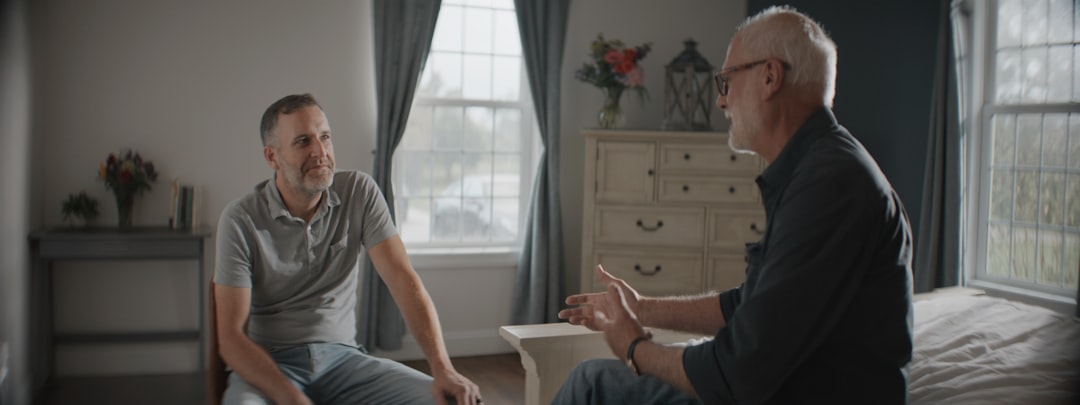
If you or someone you love has been through a really tough experience, you might know what it feels like when the past suddenly shows up in the middle of your day. One minute you are just sitting at home or walking down the street, and the next minute your heart is pounding, your hands are sweating, and you feel like you are back in that scary moment again. That is what happens with post-traumatic stress disorder, or PTSD for short. Your brain is trying to protect you, but sometimes it gets a little mixed up and thinks danger is still happening right now. The good news is there are simple tools you can learn to bring yourself back to the present moment. These tools are called grounding techniques, and they can be a total game changer.
Grounding is just a fancy word for something you probably already do without thinking. Have you ever taken a deep breath when you got nervous? Have you ever squeezed a stress ball or counted the tiles on the ceiling to calm down? That is grounding. It is a way to connect your mind to your body and to the here and now. When you feel a PTSD flashback or a panic attack coming on, your brain is stuck in the past. Grounding gently reminds your brain that you are safe, that the scary event is over, and that you are in a different place right now.
There are lots of different grounding tricks, and not every one works for every person. That is okay. You can try a few and see what feels best for you. One of the most famous methods is the five senses exercise. You just look around and find five things you can see, four things you can touch, three things you can hear, two things you can smell, and one thing you can taste. It might sound silly, but this forces your brain to pay attention to the real world around you instead of the scary memories inside your head. For example, if you are sitting in your living room, you might see a lamp, a couch, a window, a book, and a plant. Then you touch the soft blanket, the cool table, the rough rug, and your own shirt. You hear the hum of the fridge, a bird outside, and your own breathing. You smell coffee and maybe a hint of flowers. And you taste whatever is left from your last drink. By the time you finish that list, your brain has switched gears.
Another really simple grounding trick is using temperature. Keep a small bottle of cold water or an ice cube in your fridge. When you feel a flashback rising, hold that cold thing in your hand. The strong physical feeling of cold gives your brain something else to focus on. You can also run your hands under cool water or splash your face. Some people like to hold a piece of citrus fruit like a lemon or an orange because the strong smell and texture are very intense and wake up your senses.
Movement also helps. You can stomp your feet on the floor and notice how solid it feels. You can press your back against a wall and feel the support. You can stretch your arms wide and take a big breath in. The point is to use your body to tell your brain, “Hey, I am here, I am real, and I am safe.“ A lot of people with PTSD find that naming things around them out loud works too. You can say, “I am in my kitchen. I see a blue cup. I see a wooden spoon. I hear the clock ticking. I am wearing a green sweater.“ Even saying these things out loud makes them feel more true.
Grounding is not a cure for PTSD, and it does not take away the hurt from what happened. But it gives you a way to get through the hard moments until they pass. And they do pass. Every flashback has a beginning, a middle, and an end. Grounding helps make the end come faster and makes the middle less scary. It is a skill that you get better at with practice. The more you practice when you are calm, the easier it will be to use when you are struggling.
If you are thinking about a career in therapy or counseling, you will probably work with people who have PTSD. Knowing grounding techniques is one of the most helpful things you can offer them. You can teach them how to use their own five senses, their breath, and their body to feel safer. You can show them that they are not stuck in their trauma forever. They can learn to come back to the present, one small step at a time.
Remember, you do not have to be perfect at grounding. Sometimes it only helps a little, and that is still okay. Every small win counts. You are stronger than you think, and you have more tools than you realize. Grounding is just one of them, but it is a powerful one. Try it the next time you feel that old fear creeping in. Take a breath. Look around. Touch something real. You are here, and you are safe.