Imagine you are walking through a forest. Suddenly, a loud crack echoes behind you. Your heart pounds. Your legs freeze. Your breath gets shallow. Without even thinking, your body has already decided it’s time to run or fight. That’s your brain’s alarm system working exactly how it should in a scary moment.
But what happens when that alarm never turns off? For people who have been through a very hard experience – something we call trauma – the alarm can stay stuck on. Even long after the danger is gone, the body still acts like the scary thing is happening right now. That is what PTSD, or post-traumatic stress disorder, feels like. It is not just a memory problem. It is a body problem too.
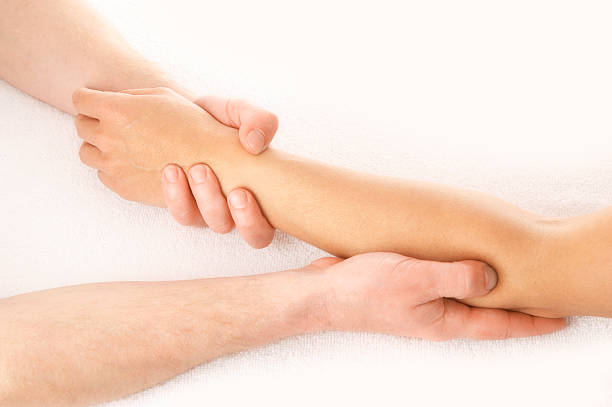
That is where a special kind of therapy comes in. It is called body-based therapy, or sometimes somatic therapy. The word somatic just means “having to do with the body.” This type of therapy does not just talk about what happened. It helps you pay attention to what your body is feeling right now. It helps you notice where you hold tension, how your breathing changes, or what it feels like when you start to panic. Then, slowly and gently, you and the therapist work together to help your body calm down and feel safe again.
I want you to think about it like this. When you are a little kid and you scrape your knee, your mom or dad might clean the cut and put a bandage on it. They do not just tell you to forget about the fall. They help the cut heal. Trauma is like a deep cut inside your body’s alarm system. Talking about it can help, but sometimes you also need to help the cut heal by paying attention to how it feels. That is what body-based trauma therapy does.
For someone thinking about becoming a therapist, this is a really exciting and helpful specialty to learn. Why? Because it works for a lot of people who have tried regular talk therapy and still feel stuck. Maybe they can talk about the scary event, but their body still shakes or sweats or gets super angry for no reason. Body-based therapy gives them new tools to quiet those feelings.
Let me give you a simple example. A person who went through a car accident might flinch every time they hear a loud honk. Their shoulders go up, their jaw tightens. In a body-based session, the therapist might ask them to just notice that tightness. Just put a hand on their own shoulder and breathe. Not to try to fix it, but to feel it. Over time, that simple act of noticing helps the body learn that the danger is over. The alarm finally gets the message: “We are safe now.”
This kind of work is not about forcing someone to relive the worst moment of their life. It is the opposite. It is about going very slowly, at the person’s own speed. A good therapist in this field knows how to help people find a “safe place” inside themselves first. They teach grounding techniques, like pressing your feet into the floor or feeling the back of a chair against your spine. These simple little tricks turn off the alarm signal and bring the brain back to the present moment.
If you are thinking about a career helping people heal from trauma, learning body-based therapy could be a great path. You do not need to be a doctor or have a fancy degree. Most programs that teach this kind of therapy welcome people who already have a background in counseling, social work, or psychology. Some schools offer special certificates in somatic trauma therapy. You can add it to your skills and make yourself more helpful to the people you work with.
One more thing I want you to know. Trauma is not rare. It happens to millions of people. It could be from a bad accident, a loss, a natural disaster, or abuse. The good news is that the brain and body have an amazing ability to heal. They just need the right help. A therapist who understands how trauma lives in the body can be that help. They can be the person who shows up, sits down, and says, “I see you. I hear you. And I am going to help your body remember what it feels like to be okay.”
So if you are someone who wants to make a real difference, who wants to work with people on a deep level, and who is not afraid to think about the body as part of healing, then the trauma and PTSD specialty might be your calling. It takes patience, kindness, and a willingness to learn. But every time you help someone’s body let go of that old alarm signal, you are giving them back a piece of their freedom. And that is a pretty amazing thing to do with your career.