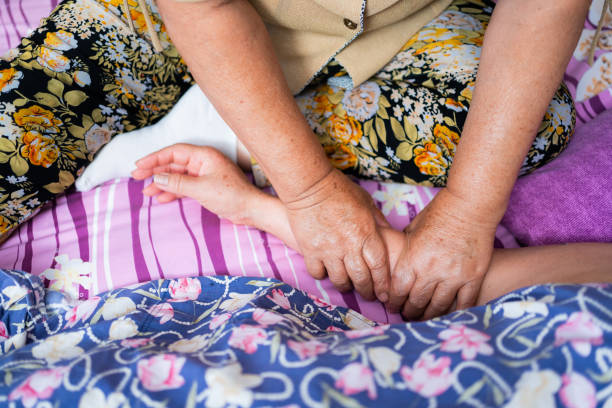
You know that moment when you sit down with a cup of coffee and suddenly realize the whole world has gone quiet? That’s what retirement can feel like for a lot of older adults. For years they’ve had a routine, a purpose, people counting on them. Then one day the alarm clock doesn’t go off, the phone doesn’t ring with work calls, and the hours stretch out long and empty. Some people handle this change just fine. But for others, retirement hits harder than they ever expected. They might feel lost, lonely, or even a little sad. And that’s where a geriatric counselor steps in.
I remember talking to a woman named Carol. She had worked as a nurse for forty years. When she retired, she thought she would finally relax, travel, spend time with grandkids. Instead, she spent most days sitting in her living room staring at the TV. She told me she felt invisible. Nobody needed her anymore. Her whole identity had been wrapped up in being a nurse, and now she didn’t know who she was. That kind of sadness is common, but it’s also something we can help with.
The first thing I do when I work with someone like Carol is just listen. I don’t come in with a list of activities or a schedule to fix everything. I let them talk about what they miss, what they’re afraid of, what they wish they had done differently. For Carol, it wasn’t about finding a new hobby right away. It was about grieving the life she left behind. And that’s okay. Retirement is a huge change. It’s normal to feel a little lost.
Once we’ve talked through those feelings, we start exploring what still brings them joy. Sometimes it’s something small, like watering plants or baking cookies. Other times it’s a dream they put on hold years ago. One man I worked with had always wanted to learn to play the guitar. He was seventy-two and thought he was too old. But we found a local music shop that offered lessons for seniors, and he ended up loving it. He didn’t become a famous musician, but he got that spark back. He started seeing retirement not as an ending but as a chance to try things without pressure.
Another big piece of this work is helping older adults stay connected. Loneliness is a real problem. After retirement, you lose the daily contact with coworkers. Maybe friends move away or pass on. It’s easy to fall into a rut where you only talk to the grocery store cashier. I encourage people to find small ways to reach out. It could be joining a book club at the library, volunteering at an animal shelter, or even just calling a neighbor for a short chat. The goal isn’t to fill every hour. It’s to have a few moments that feel meaningful.
Sometimes older adults also struggle with health changes that come with aging. They might not be able to do the things they used to enjoy. That can be frustrating and scary. A counselor helps them adjust. We talk about what they can still do, not what they’ve lost. For example, if someone loved hiking but can’t do steep trails anymore, maybe they can walk in a flat park or do chair exercises at home. It’s about finding new ways to move and feel good.
Feeling useful is another huge need. Many older adults want to contribute, even in small ways. I’ve helped people start a little garden and give vegetables to neighbors. Others write letters to grandkids or teach a skill to younger people. That sense of being needed again can turn around someone’s whole outlook. Carol ended up volunteering at a hospital information desk two mornings a week. It wasn’t nursing, but she was helping people find their way. That little bit of purpose made a big difference.
The best part of this work is watching someone discover that their later years can still be full of joy. It’s not about pretending everything is perfect. It’s about finding real, small reasons to look forward to tomorrow. If you’re thinking about becoming a geriatric counselor, you don’t need a fancy degree or big words. You just need to be patient, kind, and willing to sit with someone in their quiet moments. You get to be the person who reminds them that they still matter. And that is a pretty wonderful way to spend your own working life.