I want to start by telling you something that might surprise you. Nobody is perfect. Not you, not me, not the nicest therapist you have ever met. Every single person has done something they wish they could take back. Maybe you got in trouble when you were younger. Maybe you made a choice that you are not proud of. And now you are wondering if that mistake will stop you from becoming a therapist. Let me be straight with you. The answer is not a simple yes or no. But there is a lot of hope, and I am going to walk you through what you need to know.
First, understand that every state and every licensing board has its own rules. That means the answer depends on where you live and what you want to do. But almost all of them look at the same kind of things when they do a background check. They want to know if you are a safe person to work with people who are hurting. They want to know if you can be trusted. They care about your character. And they really care about ethics — which is just a fancy word for doing the right thing, even when nobody is watching.
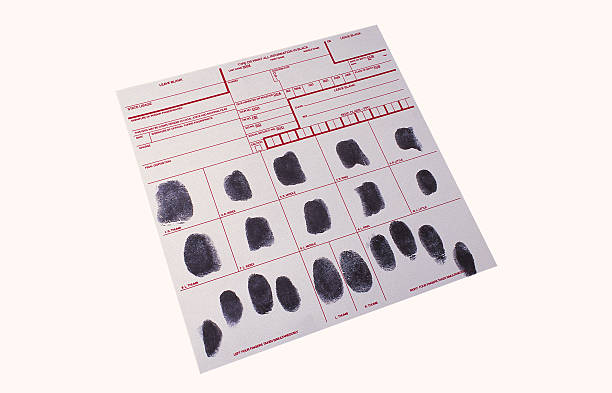
If you have a criminal record, do not panic. Many people become therapists after making mistakes. But you have to be honest. Lying on a license application is one of the fastest ways to get denied. If a background check shows something you did not mention, the board will wonder if you can be trusted. So always tell the truth. It is scary to put your past on paper, but it is the only way forward.
What kind of mistakes matter most? Boards usually pay close attention to crimes that involve hurting other people. Things like violence, theft, drug dealing, or any crime that shows you might not respect boundaries. If you have a DUI from ten years ago, that might not be a big deal. But if you have multiple DUIs, or a recent one, that could be a problem. The board wants to see that you have changed. They want proof that you are not the same person who made that mistake.
How do you prove you have changed? You can take classes. You can do volunteer work. You can get letters from people who know you now and can say you are a good person. You can also get a therapist yourself and work on the issues that led to your mistake. Showing that you have grown is the best way to convince a board that you are ready to help others.
Sometimes boards will let you apply for a special review. They might ask you to explain your whole story. They want to hear what happened, what you learned, and how you are different today. This is called a character and fitness review. It can take months, but it is worth it. Some people even get a provisional license first, meaning they can start working under supervision until they prove they are safe.
Now let me talk about ethics. Ethics is not just about avoiding big crimes. It is about doing the right little things every day. As a therapist, you will hear secrets. People will tell you things they have never told anyone. You have to keep those secrets safe. You have to never take advantage of someone who is vulnerable. You have to be honest about your own limits. If you feel like you cannot help someone, you need to send them to another therapist. That is ethics.
A background check is only one part of being a good therapist. The bigger part is what you do every day after you get your license. Do you show up on time? Do you listen without judging? Do you apologize when you mess up? Those little choices show your true character.
If you are worried about your past, do not hide from it. Talk to a mentor. Talk to a teacher at your school. Talk to an advisor who knows the licensing rules in your state. They can help you figure out your next steps. You might need to wait a few years before you apply. You might need to do extra training. But do not give up. Many therapists have walked this road before you. They made mistakes, they learned, and now they help other people make better choices.
Therapy is a field that welcomes people who understand struggle. If you have been through hard times yourself, you might be even better at helping others. Your past does not define your future. It just gives you a story that can inspire someone else. So be honest, be patient, and keep working toward your goal. You can do this.