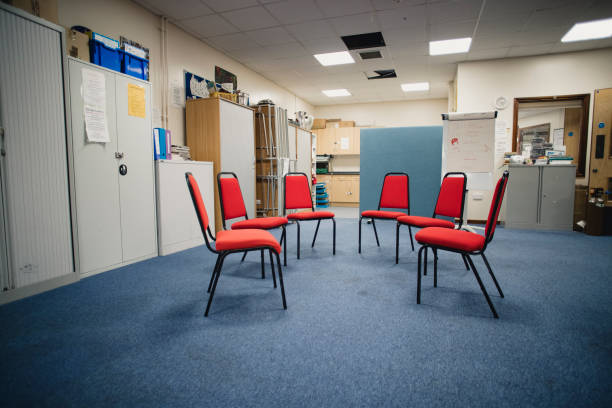
A school psychologist is a special kind of helper who works in schools. They focus on how students learn, feel, and get along with others. They don’t just help kids who are struggling; they work with teachers and families to make the whole school a better, more supportive place for everyone. Think of them as an expert on student success who uses tests, talks, and strategies to help kids do their best.
Why is this training important for therapists?
Without this training, a therapist might accidentally say or do things that hurt their LGBTQ+ clients, even if they don’t mean to. This training helps therapists avoid those mistakes. It teaches them how to use the right words, understand different life experiences, and create a welcoming space. This makes it much easier for LGBTQ+ people to get the help they need and trust their therapist.
How is music therapy different from just playing music?
The big difference is the trained therapist. Listening to music for fun is great, but music therapy is a planned treatment. A therapist sets specific goals, like improving speech or reducing anxiety. They choose activities carefully to meet those goals and track progress. It’s a professional healthcare service, not just entertainment, designed to help with medical or emotional needs.
What are the biggest challenges of owning a private practice?
The two biggest things are the business side and feeling alone. You have to handle your own scheduling, billing, advertising, and paperwork—you’re the boss! It can also feel isolating without coworkers. That’s why many therapists join groups or rent space together. It takes time to build a full list of clients, so having some savings at the start is really helpful.