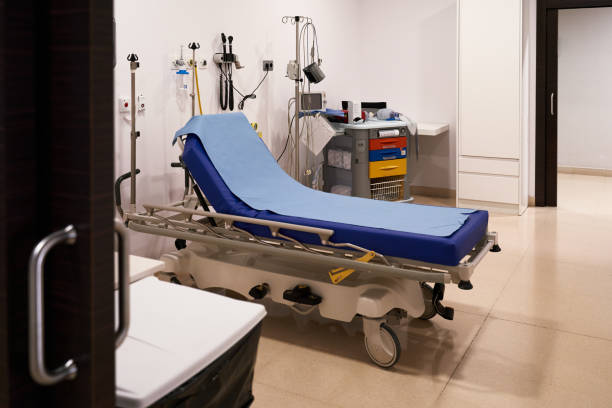
Imagine walking into a hospital room where a little girl is scared. She just had surgery, and her mom is holding her hand. The room feels cold and quiet. Then you walk in with a small guitar. You start playing a soft, happy song. The girl stops crying. Her mom smiles. That is what you get to do every day as a music therapist in a hospital.
Maybe you have always loved music. Maybe you have played an instrument since you were a kid. Or maybe you just love helping people. Music therapy might be the perfect job for you. And hospitals are full of people who need what you have to offer.
So what exactly does a music therapist do in a hospital? It is not just playing songs for people to enjoy, though that is part of it. You use music as a tool to help patients feel better in many ways. Some patients are in pain. Music can help take their mind off the pain and relax their muscles. Other patients are sad or worried. A familiar song can bring back happy memories and calm them down. For people who can not talk because of a stroke or injury, music can help them communicate. They might tap a drum to say yes or no. They might hum along to a song. Music gives them a voice when they have lost theirs.
You might work with kids in a children’s hospital. Some kids are there for a long time, and they miss their friends and their school. You can help them feel normal again by making music together. You sing silly songs, play rhythm games, or even write a new song about what it is like to be in the hospital. That helps them feel less afraid and more in control.
You might work with grown-ups in a cancer center. Chemotherapy is hard. Patients often feel tired and sick. You can bring a keyboard or a simple drum into the treatment room. You let them choose the music. Some people want slow, peaceful music. Others want old rock songs from when they were young. As they listen or sing along, their blood pressure goes down. Their breathing slows. They feel less alone.
Maybe you will work in a rehab hospital where people are learning to walk or use their arms again after an accident. You can put on a song with a strong beat and help them move to the rhythm. That makes physical therapy feel more like dancing and less like hard work. Some patients who are depressed about their injury will start to smile when the music starts. That can make a huge difference in how fast they get better.
You do not need to be a superstar musician for this job. But you do need to know how to play at least a couple of instruments, like guitar or piano. You need to understand how music affects the brain and the body. That is why you need a degree in music therapy. Most programs take about four years. You will learn about psychology, human growth, and how to use music to reach different goals. You will also do an internship in a hospital or clinic to get real experience. After that, you take a test to become certified.
Hospitals hire music therapists in many different departments. Some work in the emergency room to calm patients who are scared. Others work in the intensive care unit to help families say goodbye to a loved one in a peaceful way. Music therapists are also part of hospice teams, where they help people at the end of their life feel comfort and dignity.
The pay is decent, too. It is not the highest paying job in the medical world, but it is enough to live on. And the real reward is knowing you made someone’s day a little brighter. You get to see the direct impact of your work. A patient who is crying one minute can be laughing the next because you played their favorite silly song. That is pretty powerful.
If you are the kind of person who wants to help people, loves music, and wants a career that is both creative and meaningful, music therapy in a hospital might be your path. You do not have to be perfect. You just have to be willing to use your gift of music to bring hope and healing. So grab your instrument, practice your scales, and start thinking about the lives you can touch. Hospitals are waiting for someone like you.