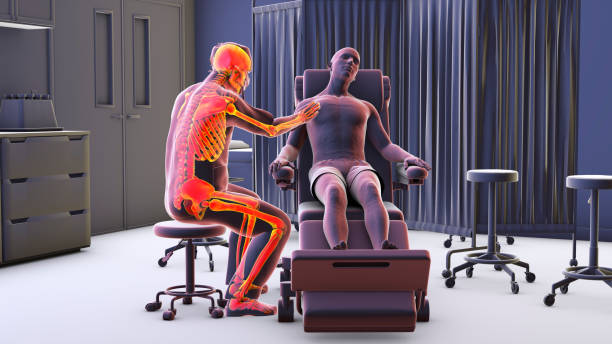
Do you feel a pull to make a real difference in the lives of people who gave so much for our country? If yes, then working as a therapist for the Veterans Affairs (VA) might be the perfect path for you. It is a job that lets you use your caring heart and your listening skills to help veterans get back on their feet. And trust me, it is one of the most rewarding jobs you could ever have.
Veterans are just like us, but they have been through some very tough things. They have seen war, injury, and loss. Many come home with invisible scars. They might feel sad, worried, angry, or just plain stuck. Some have trouble sleeping or being around loud noises. Others might feel alone even in a crowded room. This is where you come in. As a VA therapist, your job is to be a safe person to talk to. You listen without judging. You help them sort through their feelings. You teach them ways to cope and find hope again. It is not easy, but it is powerful.
What do you actually do in this job? Well, you sit down with veterans one-on-one or in small groups. You talk about what is going on in their lives. Maybe a veteran is struggling with memories of combat. Maybe another one is having a hard time adjusting to civilian life after being in the military for twenty years. You help them understand that these feelings are normal. You show them exercises to calm their minds, like taking slow breaths or focusing on the present. You also help them set goals, like going back to school, finding a job, or repairing a relationship with their family. Sometimes you connect them with other services, like housing or healthcare. You work with a team of doctors, nurses, and social workers to make sure each veteran gets all the help they need.
The best part of this job is seeing the change. A veteran might come in one day looking sad and tired. Weeks later, you see a smile on their face because they slept through the night for the first time. Or they tell you they went to their daughter’s baseball game without feeling scared. Those moments make all the hard work worth it. You know you truly changed someone’s life. And you also get to thank them in a real way. Every time you help a veteran, you are saying “thank you” for their service. Not with words, but with your time and your care.
Now, how do you get this job? You first need to earn a degree in counseling, psychology, social work, or something similar. That usually takes about four years for a bachelor’s degree. Then you need a master’s degree in counseling or social work, which takes another two to three years. After that, you have to get a license to practice in your state. That means you take a big test and do a bunch of supervised hours with clients. It sounds like a lot, and it is. But think about it: every step gets you closer to a career where you truly matter.
The VA also offers special programs to help you pay for school. Sometimes they will give you money for tuition if you promise to work for them after you graduate. That is a huge help. You do not have to worry about a mountain of student debt. And once you are working for the VA, the benefits are great. You get a steady paycheck, health insurance, time off, and a retirement plan. Plus, you work with other caring people who understand the mission.
Is this job right for you? If you like talking to people, if you are patient, if you do not scare easily, and if you want a job that is both stable and meaningful, then yes. You do not need to be perfect. You do not need to have all the answers. You just need a big heart and a willingness to learn. Veterans are not asking for a superhero. They are asking for someone who will walk beside them when life gets heavy.
So think about it. Could you be that person? Could you sit across from a veteran, look them in the eye, and say, “I’m here for you”? If you can, then a VA therapist job might be your calling. It is a career path that gives back every single day. And the heroes you help will never forget you.