If you or someone you love is dealing with an eating disorder, you know it is a very hard and painful struggle. It is not just about food. It is about feelings, control, fear, and sometimes shame. And the truth is, no one can get better alone. That is where family comes in. Family can be one of the biggest helpers in recovery, or they can accidentally make things worse. So let’s talk about how a family can really support someone who is working to heal from an eating disorder.
First, it helps to understand that an eating disorder is not a choice. It is not being vain or picky. It is a real mental health problem that changes how a person thinks about food, their body, and themselves. When you love someone with an eating disorder, you might feel scared, angry, or confused. You might think, “Why can’t they just eat?” or “Why are they doing this to themselves?” Those feelings are normal. But blaming or shaming the person never works. It usually makes them feel worse and more alone. Instead, try to start with kindness and patience. Recovery takes time, and it is not a straight line.
One of the most important things a family can do is learn about what an eating disorder really is. Read books or look up good websites. Ask the person’s therapist or doctor for tips. The more you know, the better you can help. For example, you might find out that making comments about what someone eats can be very hurtful. Saying things like “You ate a lot today, good job!” or “Are you sure you need that?” can make the person feel watched or judged. Instead, you can say things like “I’m glad we’re having dinner together” or “How are you feeling right now?” Focus on the person, not the plate.
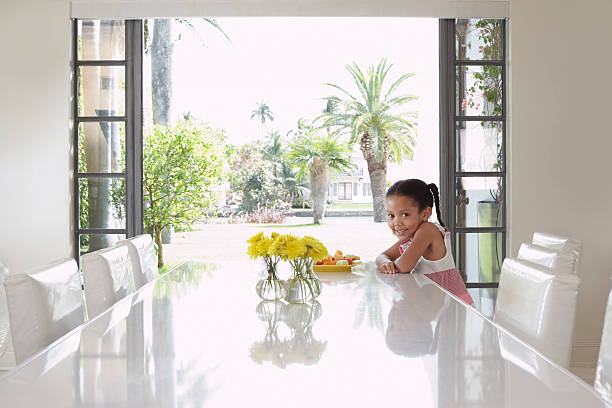
Another big role for family is to create a safe and calm home environment. Eating disorders thrive on stress and secrets. Try to reduce pressure around meals. Do not force the person to eat a certain amount or type of food. Instead, offer a variety of foods without making a big deal. Let them take what they want. You can also eat meals together if they feel okay with it. But if the person is not ready, that is okay too. Sometimes just sitting in the same room while having a snack can help them feel less alone.
It is also super helpful for family members to take care of their own feelings. Supporting someone with an eating disorder can be exhausting. You might feel worried, frustrated, or even guilty. It is okay to ask for help for yourself too. Some families go to support groups or see a counselor. When you take care of your own mental health, you are better able to support your loved one. Plus, when the person you love sees you being kind to yourself, it gives them a good example.
You might wonder what to do when the person is having a hard moment. Maybe they are crying at the table, or they refuse to eat, or they say mean things about their body. Try not to panic or argue. Stay calm. You can say something like, “I can see this is really tough for you right now. I am here with you.” Then give them space if they need it. Do not try to fix everything. Sometimes just being there is the best thing. If they are in danger, like not eating for days or hurting themselves, that is when you call their doctor or therapist right away.
Family can also help by cheering on the small wins. Did they try a new food today? Did they go to a therapy session? Did they say something positive about themselves? Those are huge steps. Tell them you are proud of them. But again, do not make it all about food. Praise them for their courage, for talking about their feelings, for trying something hard. That kind of support builds trust and hope.
Some families make the mistake of trying to control everything. They might hide food, weigh the person, or watch every bite. That usually backfires. It makes the person feel like they are in prison. Instead, let the professionals handle the treatment plan. Your job is to love and support, not to be the food police. You can ask the person, “What kind of help do you need from me today?” Let them guide you.
Recovery from an eating disorder is a long road. There will be good days and bad days. There might be setbacks. That is normal. The most powerful gift a family can give is to stay by their side, no matter what. Show them that they are loved for who they are, not for how they look or what they eat. When a person feels truly accepted and safe, they have a much better chance of healing.
If your family is going through this, please know you are not alone. There are many other families in the same boat. And there are trained therapists and dietitians who know exactly how to help. Reach out. Get support. Your love, when paired with professional help, can make all the difference.