So you’ve decided to become a therapist who works from home. That is awesome. You get to help people without having to drive through traffic, sit in a cold office, or wear tight shoes. But here is the thing: working from home for therapy isn’t just about plopping your laptop on the kitchen table and hoping for the best. You need a space that feels calm and professional both for you and for the people you help. Let me walk you through how to set up a home therapy space that works great and feels good.
First, find a spot in your home that can be your therapy zone. It does not have to be a whole room. A corner of your bedroom, a nook in the living room, or even a spot in the basement can work. What matters is that it’s a place where you will not be interrupted. You need quiet. No barking dogs, no loud washing machines, no roommates blasting music. Think about where you can close a door or at least put up a curtain. Your clients are trusting you with their feelings. They need to know you are really there for them, not checking your phone or stirring soup.
Now, think about what your clients see behind you. On a video call, the background says a lot. You do not want them staring at a messy pile of laundry or a poster of a cat wearing a wig. Keep it simple. A plain wall, a bookshelf with nice books, or a plant can work well. Soft colors like light blue, green, or beige are calming. Avoid bright red or crazy patterns that could distract. Also, make sure the lighting is good. Sit facing a window so your face is lit up, not shadowy. If you use a lamp, put it in front of you, not behind, or you will look like a ghost in a dark cave. Test your camera before your first call. You want to look friendly and clear.
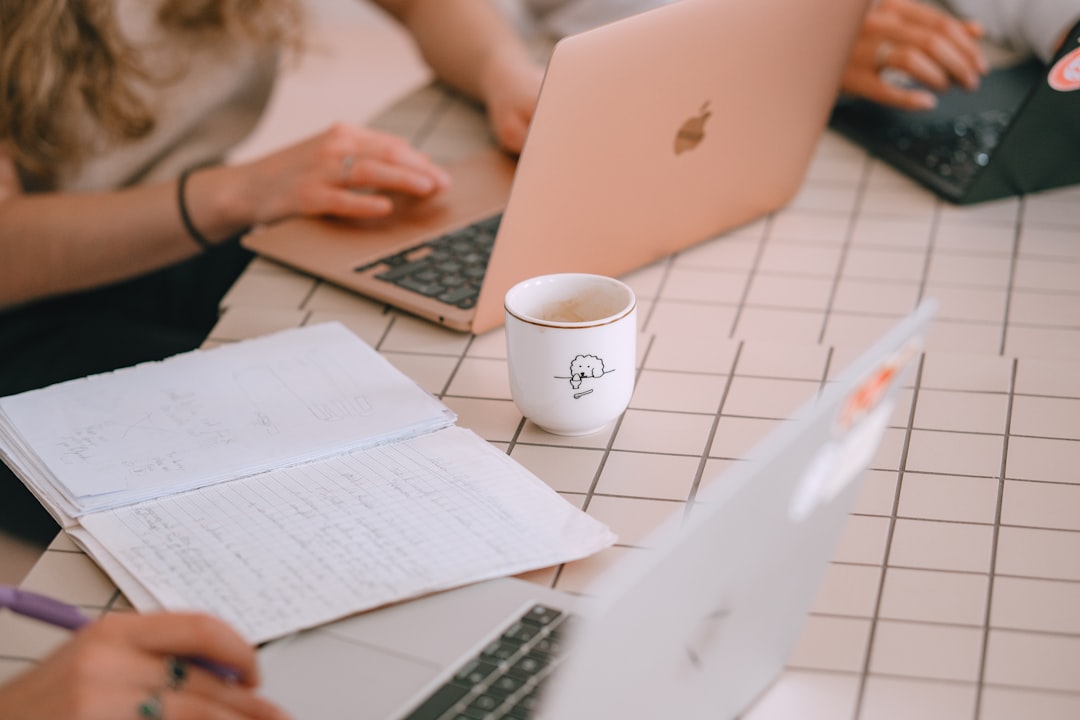
Next, your chair and desk matter a lot. You will be sitting for hours. Do not use a wobbly kitchen chair or your bed. Get a comfortable chair that supports your back. Your feet should touch the floor. A desk that is high enough so your arms rest easy is also important. If you are small, you might need a footstool. If you are tall, maybe a higher desk. You do not want to be sore after a day of helping people. Also, keep your computer screen at eye level so you do not have to look down or up. That hurts your neck.
Now, let’s talk about sound. You need to hear your clients clearly, and they need to hear you. A good, simple microphone or headset can make a huge difference. You do not have to spend a ton of money. Even a cheap headset with a mic works better than your computer’s built-in microphone. Close your windows if there is street noise. Turn off the TV and your phone ringer. If your home is old and creaky, maybe put a rug on the floor to soften sounds. You can also use a program that filters out background noise. Your clients will thank you.
Privacy is huge. You are talking about very personal stuff. Make sure no one in your house can hear your calls. If you have kids or partners, set a “do not disturb” rule during your work hours. Put a sign on your door or use a busy light. Some people use a white noise machine outside their door so even if someone walks by, they cannot hear the conversation. You must protect your clients’ secrets. That is not just being nice, it is the law.
One more thing: make your space feel cozy for you. This is your workplace. Put a small plant, a favorite mug, or a little picture that makes you smile. But keep it professional. No clutter. Every day, before your first call, tidy up the space. Take five minutes to wipe your desk, straighten your camera, and take a deep breath. That little ritual will help you switch into therapist mode.
Remember, your home office is your base for doing really important work. People are trusting you with their worries, their sadness, their hopes. A clean, quiet, and comfy space lets you focus on them, not on your tech problems or your sore back. It also shows your clients that you take your job seriously, even if you are wearing sweatpants below the camera. Yes, you can wear comfy clothes. Just make sure the top half looks neat.
Start small. You don’t need the perfect setup on day one. Get the basics: quiet spot, good lighting, simple background, comfortable chair, and decent sound. As you earn money, you can upgrade. But even with a basic setup, you can do amazing therapy from home. You got this.