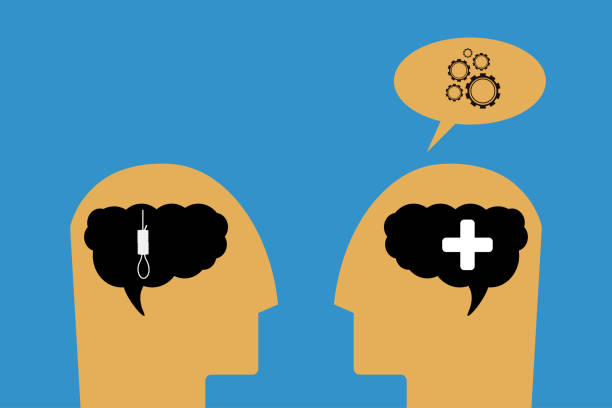
Picture this: you are in a clinical mental health program, learning all about how to help people work through their hardest days. You study depression, anxiety, trauma, and addiction. You practice active listening and learn different ways to ask questions that open people up. It feels powerful. But here is something a lot of people forget. The best helpers are often the ones who have let themselves be helped first. If you want to become a great counselor, one of the smartest things you can do is sit in the client’s chair yourself.
Think about it like this. You wouldn’t try to fix a car engine if you had never looked under the hood of your own vehicle. Your mind and your feelings are the same way. Going to therapy while you are training teaches you things that no textbook can. You learn what it feels like to be the nervous person on the couch. You know how it feels when a therapist says something that lands perfectly, and you also know how it stings when they miss the mark. That experience makes you a more careful, kind, and honest counselor.
When you are deep in a clinical mental health program, you are also under a lot of pressure. You have papers due, exams to pass, and real clients to see during your internship. That stress can sneak up on you. Maybe you start lying awake at night worrying about a client’s tough story. Maybe you feel tired and grumpy for no clear reason. Your own therapist can help you sort through that mess. They can show you how to put down the heavy stuff you carry from your training so you don’t get burned out before you even graduate.
Another big reason to go to therapy is that it helps you see your own blind spots. Everyone has them. Maybe you get annoyed when a client talks a certain way, or maybe you feel extra sad around people who remind you of your own family. If you don’t notice those feelings, they can sneak into your counseling sessions and mess things up. A therapist helps you find those spots and work through them so you don’t accidentally make your client’s problem about you.
I remember when I was in my own clinical training, I thought I had it all together. I was good at listening, good at asking questions. But one day my supervisor pointed out that I always changed the subject when a client talked about anger. I had no idea I was doing that. It turned out I was scared of anger because of my own childhood. I started seeing a therapist, and for the first time I talked about that fear. It was hard, but it made me a way better counselor. Now when a client gets mad, I don’t flinch. I stay right there with them because I have done my own work.
Going to therapy also shows you that healing is not a straight line. You will have weeks where you feel great and weeks where you cry in the parking lot. That is normal. When you experience that yourself, you stop expecting your own clients to be perfect. You become more patient and more real. You realize that change takes time, and that is okay.
Some people worry that going to therapy means they are weak or broken. That is absolutely not true. In fact, the opposite is true. It takes courage to look at yourself honestly. And when you do that, you give your future clients permission to do the same. You lead by example. You show them that it is okay to ask for help, even when you are the helper.
If you are in a clinical mental health program right now, I want to encourage you. Find a therapist you click with. Maybe it takes a few tries. That is fine. Tell them you are a counseling student and that you want to work on your own stuff. You might be surprised how much you grow, not just as a future counselor but as a person. Your own therapy is not an extra chore. It is one of the best tools you will ever have.
So as you go through your training, remember this. The most powerful thing you can bring into a therapy room is not your degree or your techniques. It is you, a person who knows what it means to be human. And there is no better way to learn that than by letting someone help you, too.