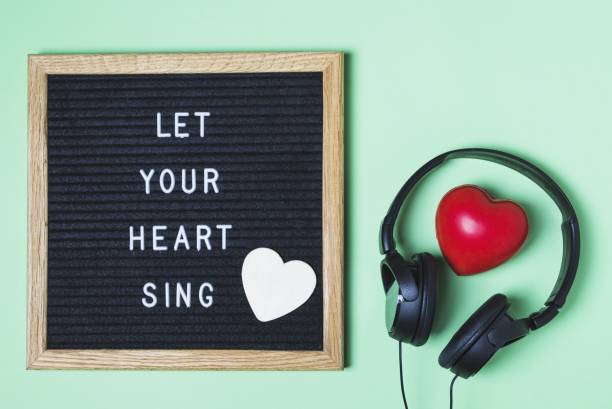
Music therapy is a clinical and evidence-based practice that utilizes musical interventions to accomplish individualized goals within a therapeutic relationship. Far from being a one-size-fits-all remedy, its applications are remarkably broad, touching lives across the human lifespan and addressing a vast spectrum of physical, emotional, cognitive, and social needs. The beneficiaries of this unique therapeutic modality are as diverse as the melodies employed, encompassing everyone from premature infants to those in hospice care, and individuals facing challenges as varied as trauma, neurological injury, and chronic pain.
One significant population that reaps profound rewards from music therapy includes individuals with neurological conditions or brain injuries. For those recovering from a stroke or living with Parkinson’s disease, the rhythmic elements of music can act as a powerful auditory cue, helping to retrain the brain to control movement, improve gait, and enhance coordination. In cases of traumatic brain injury or diseases like Alzheimer’s and other dementias, music therapy can unlock pathways to memory and identity that other forms of communication cannot reach. Familiar songs from a person’s youth can stimulate recall, reduce agitation, and foster moments of lucid connection, offering comfort both to the individual and their caregivers. For children and adults on the autism spectrum, music therapy provides a structured, yet flexible, medium for improving communication skills, enhancing social interaction, and managing sensory processing challenges in a safe and engaging environment.
The mental and emotional health field is another area where music therapy demonstrates immense value. Individuals grappling with depression, anxiety, post-traumatic stress disorder, and other psychological struggles can benefit from the non-verbal outlet music provides. Creating or engaging with music allows for the expression of complex emotions that may be difficult to articulate with words alone. The therapeutic process can help in regulating mood, developing healthy coping mechanisms, and building self-esteem. Furthermore, in group settings, music therapy fosters a powerful sense of community and shared experience, combating the isolation that often accompanies mental health challenges. It offers a universal language through which participants can connect, support one another, and build interpersonal skills.
Music therapy also plays a crucial role in medical and palliative care settings. Patients undergoing painful medical procedures or coping with chronic illness can use music as a tool for distraction and pain management, often reducing the perceived intensity of discomfort and lowering anxiety levels. For premature infants in neonatal intensive care units, specially administered music therapy, including gentle singing and the sounds of the gato box or ocean disc, can stabilize vital signs, improve sleep patterns, and promote bonding with parents. At life’s end, in hospice care, music therapists work to provide comfort, dignity, and emotional support. They facilitate life review through song, help patients and families communicate unspoken feelings, and create a peaceful soundscape for the final journey, addressing spiritual and existential distress.
Beyond these groups, the reach of music therapy extends to many others. Children with developmental delays can improve motor and language skills through rhythmic play and singing. Individuals struggling with substance use disorders find in music a healthy means of expression and a way to rebuild identity. Even those without a specific clinical diagnosis can benefit; people experiencing everyday stress, seeking personal growth, or desiring creative exploration can use therapeutic music techniques to enhance their overall well-being.
Ultimately, the question of who can benefit from music therapy is best answered by recognizing the fundamental human connection to music itself. Because music engages the entire brain and touches core aspects of our being—emotion, memory, communication, and rhythm—it holds therapeutic potential for virtually anyone. Whether facing a profound medical crisis, navigating a psychological challenge, or simply seeking a deeper connection to self and others, individuals across ages and circumstances can find in music therapy a resonant and transformative path toward healing and improved quality of life.