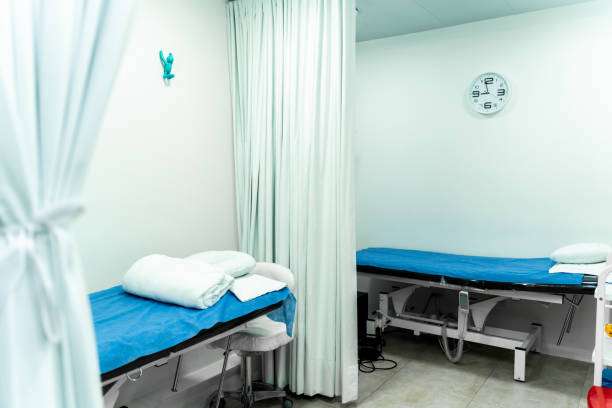
So you’re thinking about a career in therapy. That’s a big and exciting decision. You might be wondering, “Where will I actually work?” For many people, the answer is in hospitals and medical centers. These places are not just for doctors and nurses. They are full of different therapy jobs that are crucial for patient care. Let’s talk about what that world is like and the kinds of roles you could have there.
First, it’s important to understand the setting. Hospitals and medical centers are fast-paced. They are open 24 hours a day, 365 days a year. This means schedules can include nights, weekends, and holidays. The work is team-based. You will work closely with doctors, nurses, social workers, and other therapists. The goal is always the same: to help the patient get better. You might be helping someone learn to walk again after a car accident, teaching a child to speak clearly, or helping a person manage their pain. The work is challenging but very rewarding. You see people at their most vulnerable and help them regain their strength and independence.
Now, what kind of therapy jobs are we talking about? There are many paths you can take with the right degree and training. Physical therapists are a common sight in hospitals. They work with patients who have injuries or illnesses that affect their movement. They help patients build up their strength, improve their balance, and manage pain. Right alongside them are occupational therapists. These therapists focus on the daily activities of life. They might help a patient relearn how to dress themselves, cook a meal, or get back to their job after an illness. Their goal is to help people live as independently as possible.
Another key role is that of the speech-language pathologist. These therapists work with patients who have trouble with communication. This could be a stroke patient who has lost the ability to speak, a child with a stutter, or an elderly person having trouble swallowing food safely. Their work is all about helping people connect with the world around them. Then there are respiratory therapists. They are experts in lung and breathing problems. They work with patients who have asthma, pneumonia, or are recovering from major surgery. They run breathing treatments and manage machines that help people breathe.
The mental and emotional side of health is just as important. This is where clinical social workers and mental health counselors come in. In a hospital, they provide critical support. They help patients and families cope with a new diagnosis, a scary surgery, or a long recovery. They are there to listen, offer counseling, and help plan for the next steps when a patient leaves the hospital. They are a vital part of the healing team.
Getting these jobs requires the right education. Most of these roles need at least a bachelor’s degree, and many require a master’s degree. That’s where a site like TherapyDegree.com comes in. It can help you find the right degree program, whether it’s in physical therapy, occupational therapy, speech pathology, social work, or counseling. After your degree, you will also need to get a license to practice in your state. This always involves passing a big exam and completing supervised work hours.
Choosing a career in therapy means choosing a life of service. Working in a hospital or medical center puts you on the front lines of healthcare. You will make a real difference in people’s lives during some of their toughest moments. It is a career built on science, skill, and a great deal of heart. If you are looking for a job where no two days are the same and where your help truly matters, this world might be the perfect place for you to start your new career.