So, you’re thinking about a career where you help people. That’s amazing! The world needs more caring folks like you. But maybe you’re also thinking, “How can I go back to school? I have a job, a family, a life.” That’s where online degree options come in, and there’s one type that’s really special: the hybrid program.
Let’s talk about hybrid programs. The word “hybrid” just means a mix of two things. Think of a hybrid car—it uses both gas and electricity. A hybrid degree program mixes two styles of learning: online and in-person. It gives you the best of both worlds. You get the flexibility of online classes with the real-world, hands-on experience of being on campus. It’s a direct, no-nonsense way to get your degree without putting your entire life on hold.
Here’s how it works. For part of your week, you are in charge. You can log into your classes from your kitchen table, a coffee shop, or the library after work. You watch video lectures, join discussion boards with your classmates, and finish your reading on your own schedule. This is the flexible part. It means you don’t have to move across the country or quit your job to start learning. You can begin building the skills for your new therapy career right away, even while you’re busy with your current life.
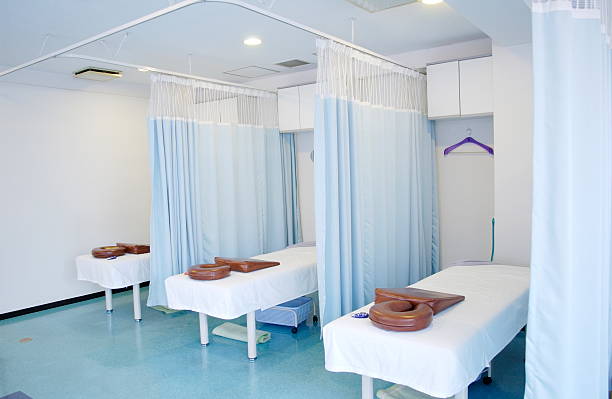
But helping people is a hands-on job. You can’t learn everything from a screen. That’s where the other part of the hybrid model comes in. Every so often—maybe once a week, every other week, or just for a few important weekends—you go to a campus or a training center. This is where the magic happens. You get to practice skills face-to-face. You might role-play a counseling session with a classmate, learn how to use special therapy tools, or work directly with a teacher who can give you tips. This in-person time is crucial. It makes sure you are not just book-smart, but also people-smart and ready for the real world.
Why is this mix so powerful? Because it understands your life. It doesn’t ask you to choose between your responsibilities and your dreams. It says you can have both. The online piece respects your time and your current commitments. The in-person piece makes sure you get the quality training and personal connections you need to be great at your new job. It’s a practical, smart way to learn.
At TherapyDegree.com, we know that people looking to start or change careers need clear, friendly information. We talk about all kinds of degree types and job training paths in the wide world of therapeutic help. When we look at degree programs, we see hybrid options as a superstar choice for many career-changers. They are built for someone who is serious about their future but also has to manage today’s to-do list.
Choosing a career in therapy is a big, wonderful decision. You want to help others heal, grow, and feel better. Your education should support you in the same way. A hybrid program supports you by being flexible where you need flexibility and being solid and direct where you need hands-on experience. It’s a straightforward path to a rewarding career, designed for real people with real lives. So, as you explore your options, remember that you don’t have to pick between online and on-campus. With a hybrid program, you can confidently choose both.