Ever notice how a sad song can make you cry, or a fast beat can make you want to dance? That is not just you having fun. That is your brain reacting to sound in a real, powerful way. And some therapists have found a way to use this power on purpose to help people feel better. It is called music therapy, and it is one of the coolest parts of mental health counseling.
When I first heard about music therapy, I thought it meant just listening to your favorite playlist and calling it treatment. But it is much more than that. A music therapist is a trained professional who uses things like rhythm, melody, and even silence to help you work through hard feelings, lower stress, or get in touch with parts of yourself you might have pushed away. You do not need to be a great musician either. You can just be a person who loves sound and wants to heal.
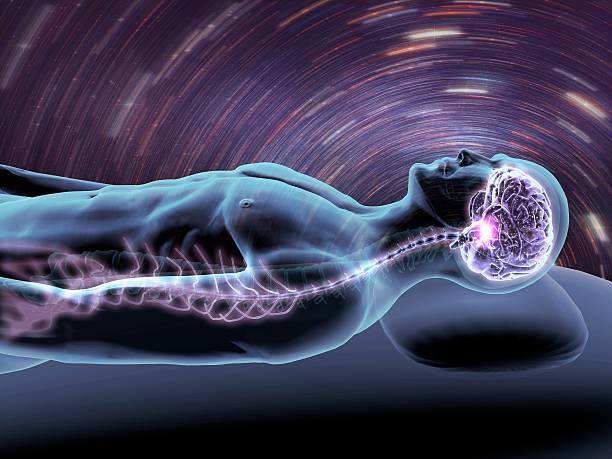
So how does sound actually help your brain? Think of your brain as a busy highway. When you are anxious or sad, that highway gets jammed up with traffic. Music acts like a traffic cop. It sends signals to different parts of your brain at the same time. The rhythm part of music talks to the part of your brain that controls movement and heartbeat. The melody talks to the part that holds memories. The words in a song can speak to the part that handles emotion. All of this happens without you even trying. That is why a certain song from your childhood can instantly make you feel safe or happy.
Music therapy takes advantage of this. For example, if someone is dealing with bad anxiety, a therapist might start with slow, steady drum beats. The beat helps the person’s heart rate slow down. Then the therapist might ask the person to hum along. Humming uses your voice and your breath, which calms your nervous system even more. After a few minutes, the person often feels less tight in the chest and more relaxed. It is not magic. It is science, but it feels like magic.
Another way music helps is by letting you express feelings you cannot put into words. Sometimes when you are really angry or really sad, talking about it feels impossible. But you can bang on a drum or strum a guitar hard. You can let the sound carry your anger for you. That lets it out of your body in a safe way. Therapists call this “externalizing” your feelings. You make the feeling into a sound, and then you can look at it from a distance. That is a huge step in healing.
Music therapy also builds connection. If you are in a group session, everybody plays or sings together. You have to listen to each other, match rhythms, and sometimes even pause at the same time. That teaches you how to be with other people in a gentle, nonverbal way. For people who feel lonely or have trouble trusting others, this can be a first step toward real friendship.
I have seen people use music therapy to cope with everything from trauma to everyday stress. One woman I read about had a lot of trouble sleeping because of scary memories. Her therapist had her pick a song that felt like safety to her. They worked together to create a short, simple melody using just a xylophone. Every night she played that melody before bed. It became a signal to her brain that it was okay to rest. After a few weeks, she was sleeping through the night without nightmares. That is the power of sound.
If you are thinking about a career in mental health counseling, music therapy is a path worth exploring. You do not have to be a star musician. You just need to be someone who believes that sound can heal. You learn about psychology, how the brain works, and how to pick the right music for the right person. It is a job where you get to see people smile and cry and grow, all because of a few notes in the air.
Music is part of being human. Every culture has used it for thousands of years to celebrate, to grieve, and to pray. Now therapists are rediscovering what our ancestors already knew. Sound is medicine. And when you use it with care and training, it can help people find their way back to peace.
So next time you hear a tune that makes your heart feel lighter, remember that is your brain healing in its own way. And if you ever want to help others do the same, music therapy might be your calling.