Have you ever tapped your foot to a song without thinking? Maybe you nodded your head or drummed your fingers on a table. That’s your body responding to rhythm. It feels good, right? Well, that simple feeling is the heart of a type of therapy called music therapy. And one of the easiest and most fun ways to try it is with drumming.
I remember a time when I was really stressed out. My mind was racing, my shoulders were tight, and I couldn’t stop thinking about all the things I had to do. A friend handed me a small hand drum and said, “Just hit it.” I felt silly at first. But then I started tapping a steady beat. _Thump, thump, thump._ After a few minutes, something changed. My breathing slowed down. My thoughts quieted. I wasn’t thinking about my to-do list anymore. I was just feeling the sound.
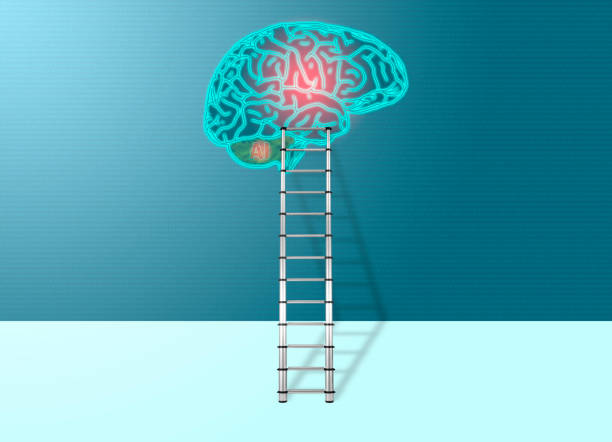
That’s not magic. That’s science, but explained simply. Your brain has natural rhythms, like your heartbeat and your breathing. When you hear a steady beat, your brain syncs up with it. This is called entrainment. It’s the same reason people sway together at a concert or why babies fall asleep to a lullaby. Drumming gives your brain a clear, predictable pattern to follow. That pattern can calm down the part of your brain that handles fear and worry. It’s like giving your mind a gentle hug.
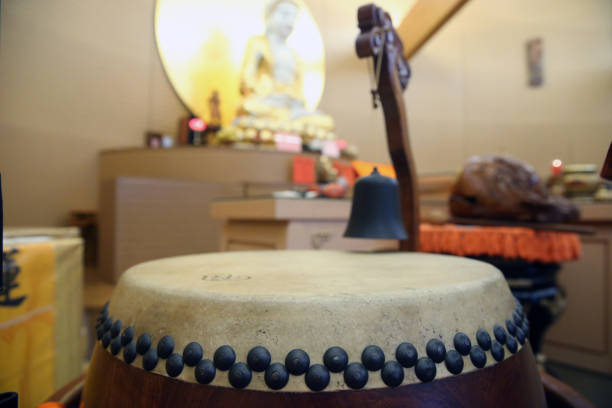
Music therapists use drumming to help people with all kinds of problems. If you deal with anxiety, drumming can lower the stress hormone cortisol. If you feel sad or depressed, the physical act of hitting a drum can release built-up emotions in a safe way. You don’t need to be a musician. You don’t need to know any songs. You just need to find a beat that feels right to you.
One of my favorite things about drumming is that you can do it with other people. Group drumming is a common activity in music therapy. When a group of people play together, something special happens. Everyone’s heartbeats start to match. You feel connected without words. This is huge for people who feel lonely or have a hard time talking about their feelings. You don’t have to say “I’m hurting” or “I’m scared.” The drum says it for you.
I’ve seen drumming help people who have been through really tough times, like trauma or loss. One person I knew couldn’t talk about what happened. But when she sat at a drum, she played a loud, fast rhythm. Then it got softer. Then it stopped. Then she started crying and finally talked about her pain. The drum gave her a way to let out what she couldn’t say. Music therapists are trained to guide that process and keep it safe.
You might wonder, “Does this actually work for real problems?” The answer is yes. Research shows that drumming can improve your mood, lower blood pressure, and even boost your immune system. It’s not a cure for everything, but it’s a powerful tool. Many mental health counselors include music therapy in their work. They might have you drum, sing, or just listen to certain sounds. The goal is always the same: to help you feel better by using the natural power of sound.
The best part is you can try it right now. You don’t need a fancy drum. Find a pillow, a cardboard box, or just slap your thighs. Close your eyes and tap a slow, steady beat. Breathe with it. In, out, in, out. Let your mind follow the rhythm. If your thoughts wander, that’s okay. Just come back to the beat. Do it for a few minutes. Notice how you feel afterward.
Music therapy is not just for people who are struggling with big problems. It’s for anyone who wants to feel more grounded, less stressed, or more connected to themselves. And drumming is one of the most direct ways to get there. The sound vibrates through your hands, your arms, your whole body. It reminds you that you are alive and that you have a rhythm of your own.
So next time you feel overwhelmed, try making some noise. Beat a drum. Tap a table. Hum a tune. Let the sound carry some of your weight away. You might be surprised what a little rhythm can do.