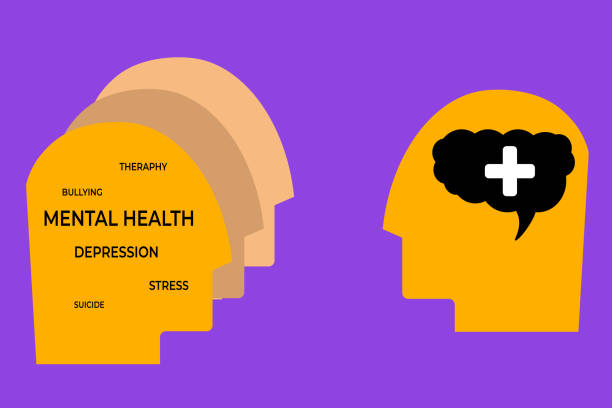
When you think about being a licensed mental health counselor, you might picture giving advice or telling people what to do. But here is a secret that might surprise you. The most important thing a counselor does is not talking. It is listening. Really listening. In a way that makes the other person feel like they matter. That is the heart of the whole job.
Think about the last time you had a problem. Maybe you told a friend about it. And your friend jumped in right away with a fix. Do this, do that. It probably felt a little bit like they were not hearing you. They were hearing your words, but not your feeling. Now think about a time someone just sat with you. They nodded. They said, tell me more. They did not try to solve anything. They just let you talk. Did that not feel amazing? That is the kind of listening that changes lives.
As a licensed mental health counselor, you get to do that every single day. Your job is to be the person who truly hears another human being. Not to fix them. Not to judge them. Not to rush them. Just to be there. And when people feel truly heard, something shifts inside them. They start to untangle their own thoughts. They find their own answers. They feel lighter. That is the magic of counseling.
You might wonder if listening is a skill you can learn. Yes, it is. It is not just sitting quiet while someone talks. That is easy. Deep listening is much more active. It means paying attention to tone of voice and body language. It means noticing what a person does not say as much as what they do say. It means checking in with them. You say something like, I hear you saying you are really mad at your boss. Did I get that right? That lets the person know you are working hard to understand them.
Learning this kind of listening takes practice. In a counseling degree program, you will spend hours practicing with other students. You will role play. You will make mistakes. You will learn how to ask questions that help people open up. Questions like, what was that like for you? or how did you feel when that happened? These are not fancy questions. They are simple and direct. But they do something powerful. They give the other person permission to share more.
When you become a licensed mental health counselor, you will use this skill with all kinds of people. Some will be dealing with sadness that will not go away. Some will be worried all the time. Some will be going through really hard changes like losing a job or ending a relationship. Each person will come to you with a different story. But almost all of them will have one thing in common. They feel alone with their pain. And when you listen to them with your whole self, you break that loneliness. Just for an hour in a week. But that hour can be a life raft.
There is another reason listening is so powerful. It builds trust. Think about building a friendship. How do you learn to trust someone new? Usually because they show you they care. They remember what you said. They follow up later. They do not interrupt you or make everything about themselves. That is what a counselor does too. Over time, as a client sees that you always listen without judgment, they start to trust you with deeper things. One week they might tell you about their stress at work. Later they might tell you about a painful memory from childhood. That trust is not given. It is earned one listening session at a time.
You may also have to listen to hard things. People will cry in front of you. They will get angry. They might even shout. Your job is to stay calm and keep listening. That is not easy. It takes training and self control. But it is worth it. Because when a person feels safe enough to shout or cry in front of you, that means they trust you with their rawest feelings. Helping them through those moments is some of the most important work you can ever do.
If you are thinking about becoming a licensed mental health counselor, ask yourself one question. Are you someone who naturally wants to know how other people feel? Are you okay with sitting in silence for a few minutes while someone gathers their thoughts? Do people come to you already and say, you are a good listener? That is a great sign. That means you already have the seed of the skill. A degree program will help you grow that seed into a strong tree.
Remember that listening does not mean you have no voice. Sometimes you will speak. You will offer gentle reflections. You might help a person see a pattern they have missed. But the most powerful thing you do is create a space where words can come out safely. That takes patience and practice and genuine care.
At the end of the day, everyone wants to be heard. That is a basic human need. As a licensed mental health counselor, you become the person who answers that need for many different people. You do not need a magic answer or a perfect technique. You just need to listen. And that is something anyone can learn to do really well. So if this path feels right for you, trust that gut feeling. Your listening ears can change a life. Maybe many lives. And that is a beautiful thing to do with your career.